Heading North! - Air Inuit Boeing 737-200 Combi Ops
Providing a vital link between the busy South and the remote North, Air Inuit support the local Inuit communities by providing essential food, fuel and material deliveries. Through the use of classic 737’s and Dash 8’s, the airline is able to fly on a daily basis to remote locations which are strictly accessible by air. The routes performed are not only a way for visitors to access the remote North but a lifeline to enable communities to continue living in traditional areas and maintain culture. Chris Melaisi travels to Puvirnituq, a remote Inuit community in Nunavik, Northern Quebec onboard a classic Boeing 737-200.
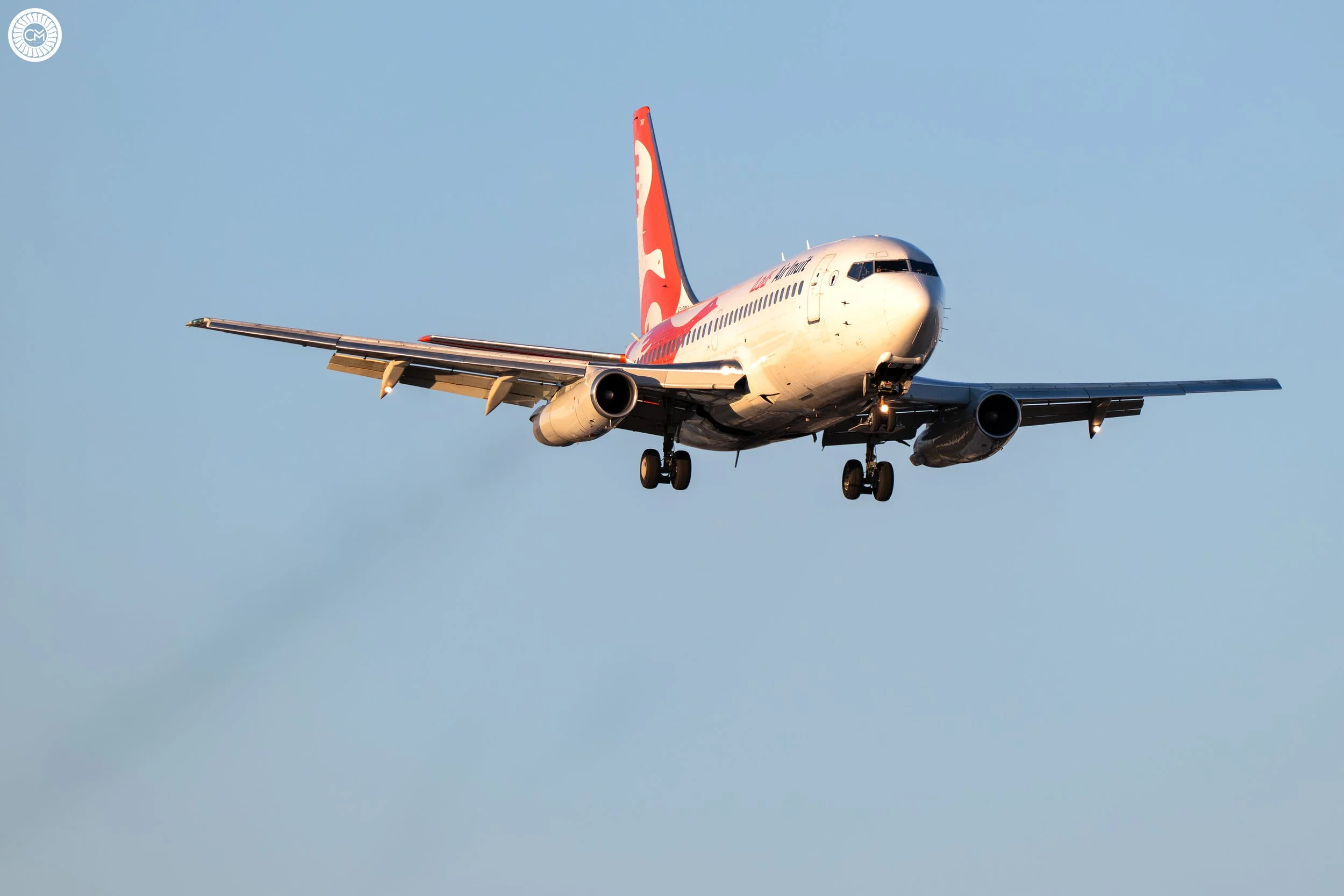

In 2026, the Boeing 737-200 series is a rarity in the aviation world, with the last remaining strongholds of the type located in Canada and the America’s. The last remaining commercial airline operator of the type in Canada is Air Inuit (3H / AIE). Established in 1978 using a single De Havilland DH-2 Beaver, the airline has successfully grown to become a lifeline to keep Quebec's northernmost communities connected in the safest possible conditions. Air Inuit is collectively owned by the Inuit (People) of Nunavik. Air Inuit was created to provide air connections between Nunavik's 14 coastal villages, to promote trade and to preserve Inuit culture. The company is also committed to the development of this immense territory and the prosperity of its people by providing support to various community organisations, cultural events, educational and sports programmes, as well as the implementation of employment access programs for Inuit people.
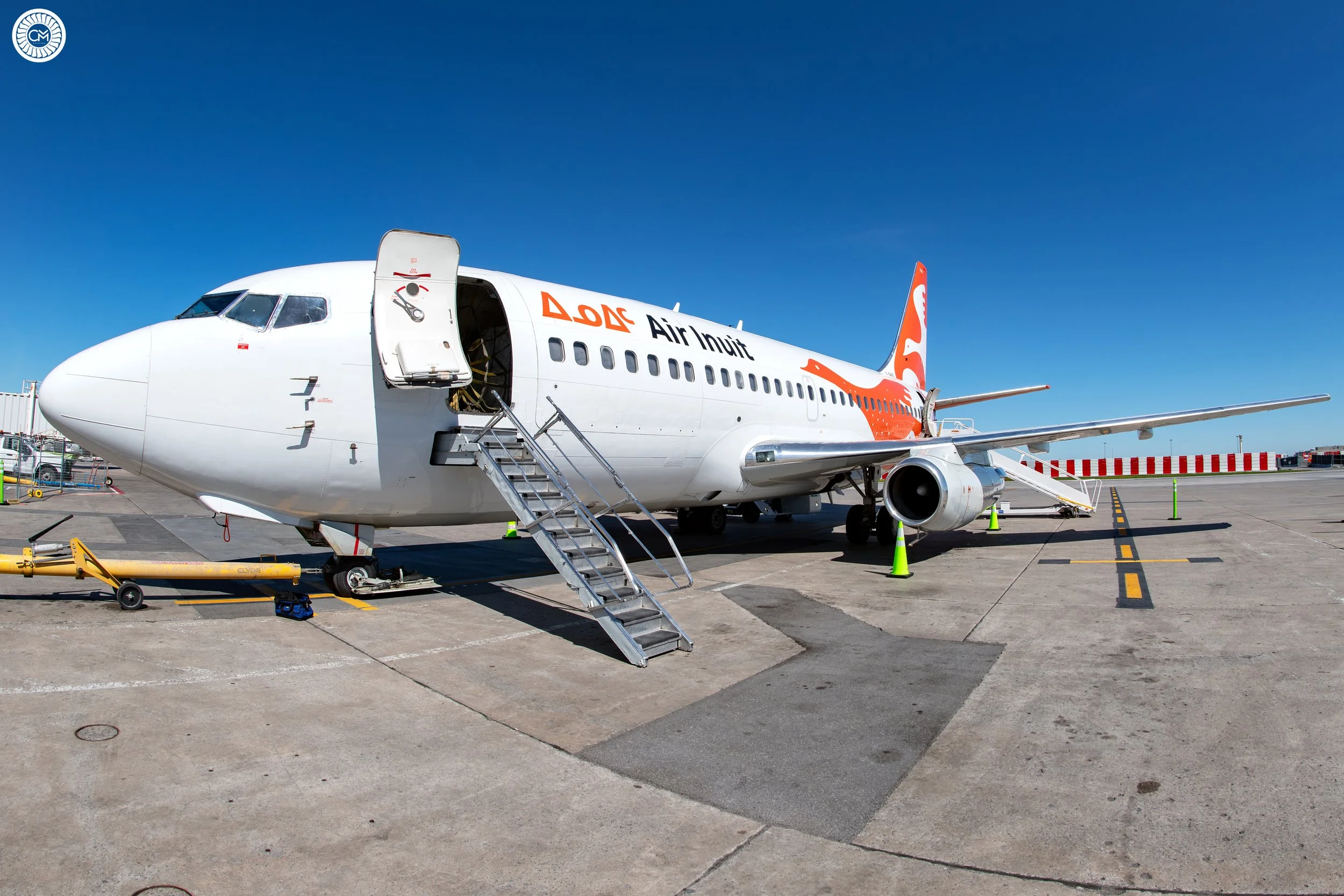
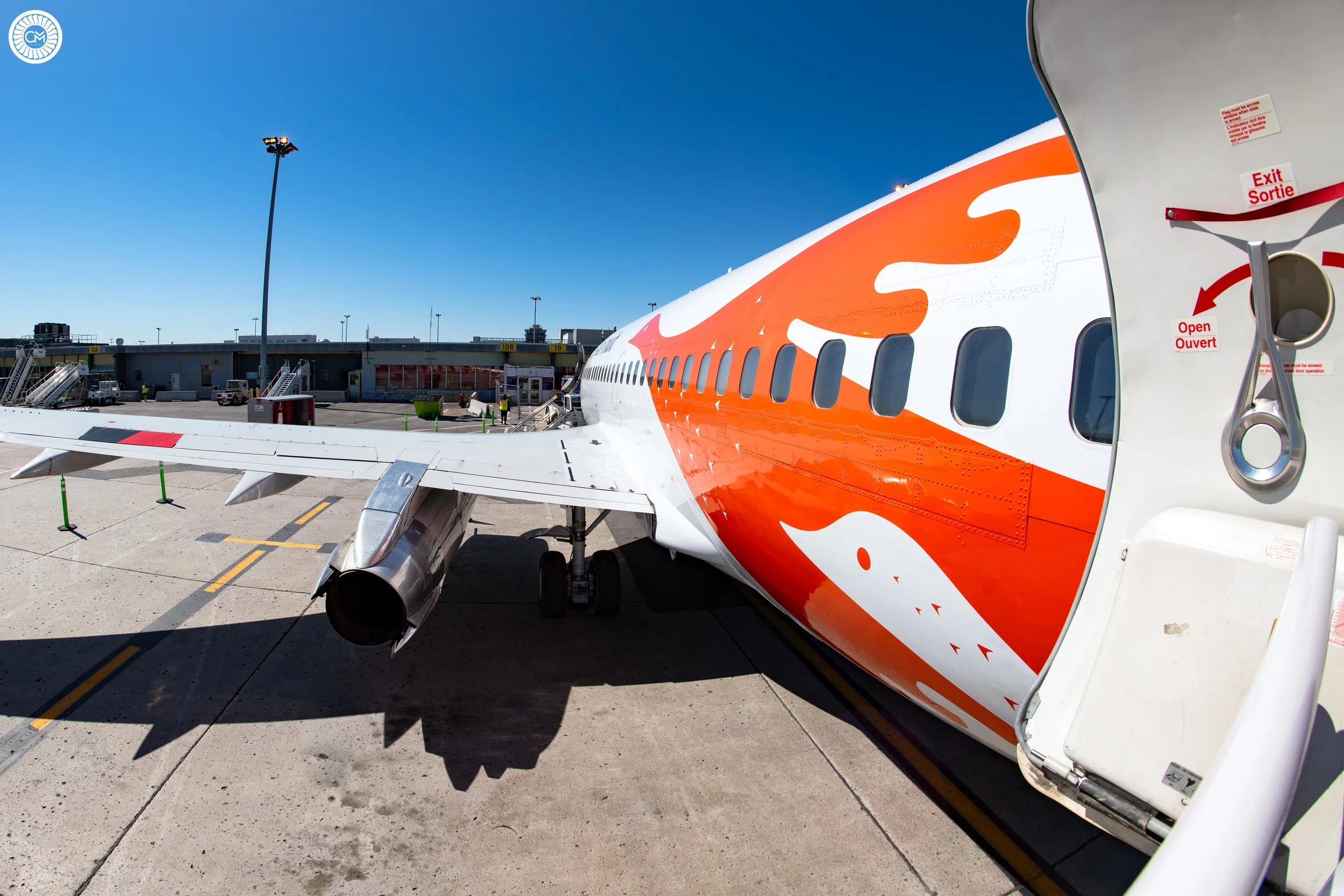
Boarding 46 year-old Boeing 737-2S2C(A) C-GAIG for an all-day flying experience, routing Montréal-Puvirnituq-La Grande Rivière-Montréal.
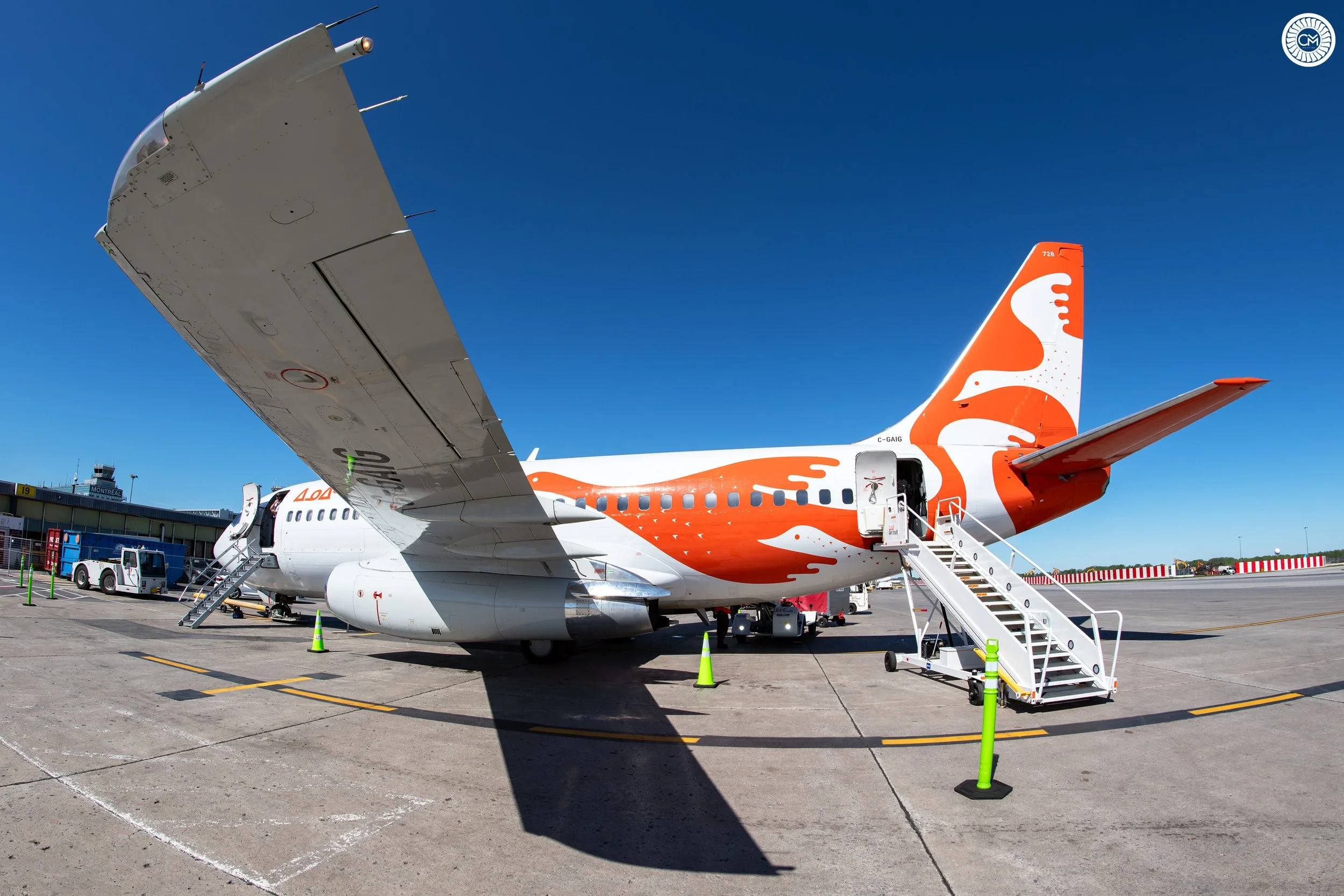
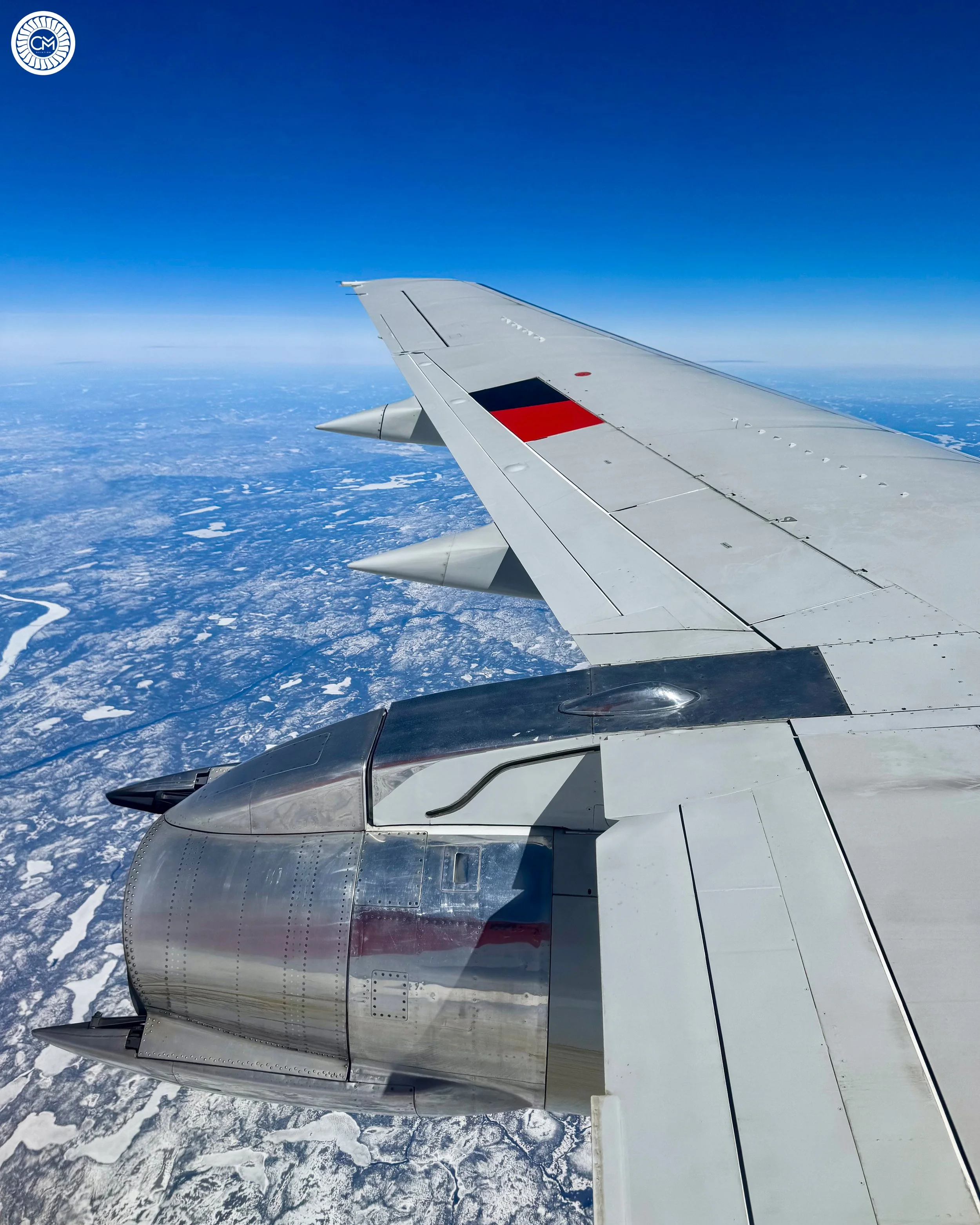
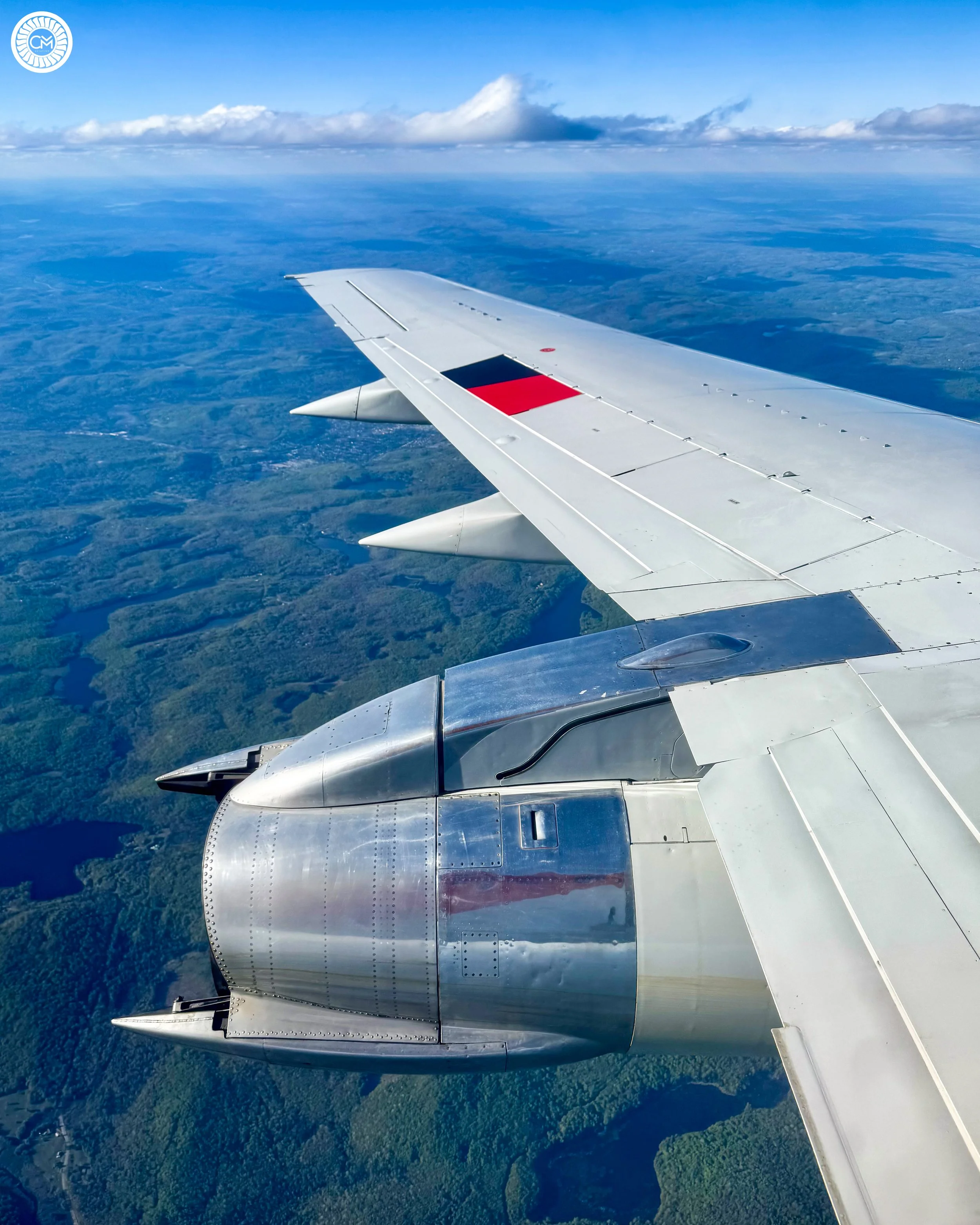
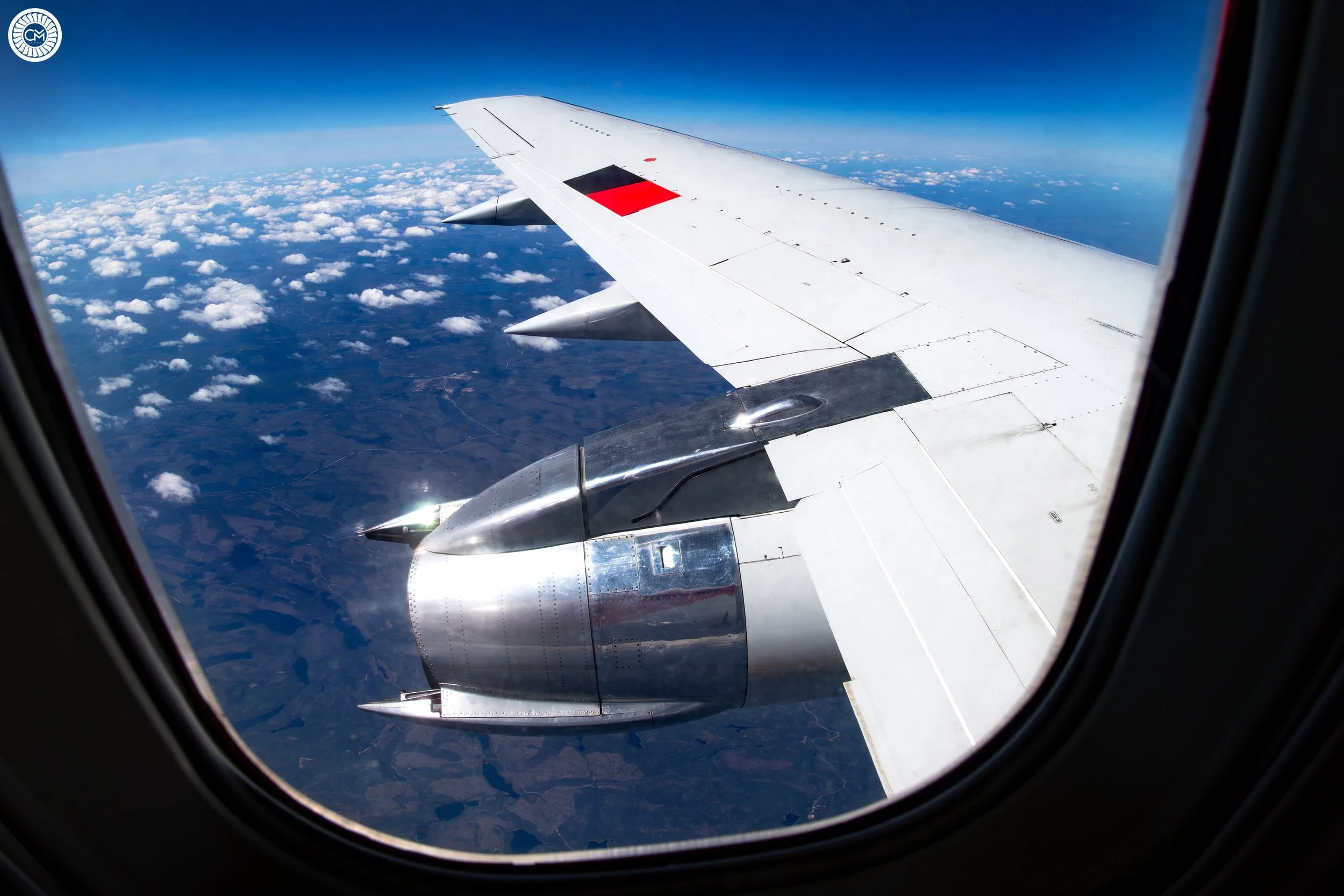
In 2025, the airline received its first next generation 737, an -800 series which the airline converted into a combi, the first of its type in the world. Three aircraft have now undergone the conversion and are ready to enter service to replace the fleets aging -200 series. Air Inuit acquired their first Boeing 737-200C (Combi) in June 2007 and began operations with them in 2008. The carrier obtained the gravel-equipped aircraft to serve the remote and isolated coastal communities of Nunavik, operating scheduled and charter services from Kuujjuaq and Montréal. The versatile combi aircraft were uniquely adapted for the rugged conditions of the Canadian North, allowing the airline to transport heavy freight, building materials, and bulk shipments alongside passengers into locations with gravel airstrips. The gravel kit or unpaved strip kit was an option for the 737-100/200, which included additional equipment such as a nose-gear gravel deflector to keep gravel off the underbelly, protective metal shields over hydraulic tubing and brake cables on the main gear strut and vortex dissipators fitted to the engine nacelles to disperse gravel. These additions have allowed Air Inuit to operate successfully into airfields such as Puvirnituq which possess a gravel runway and are a key reason why the airline is still operating the -200 series in 2026, despite having new, replacement aircraft available.
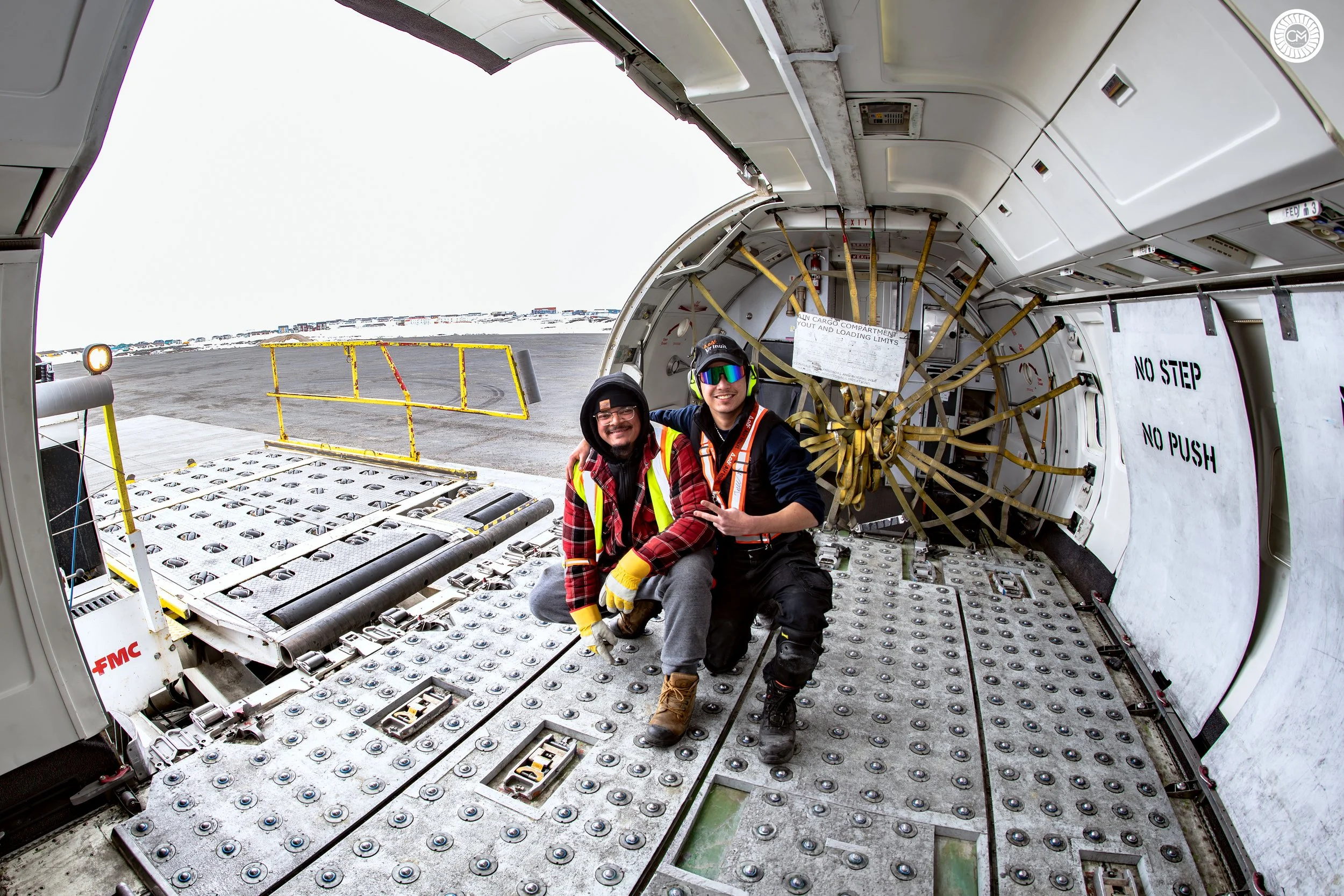
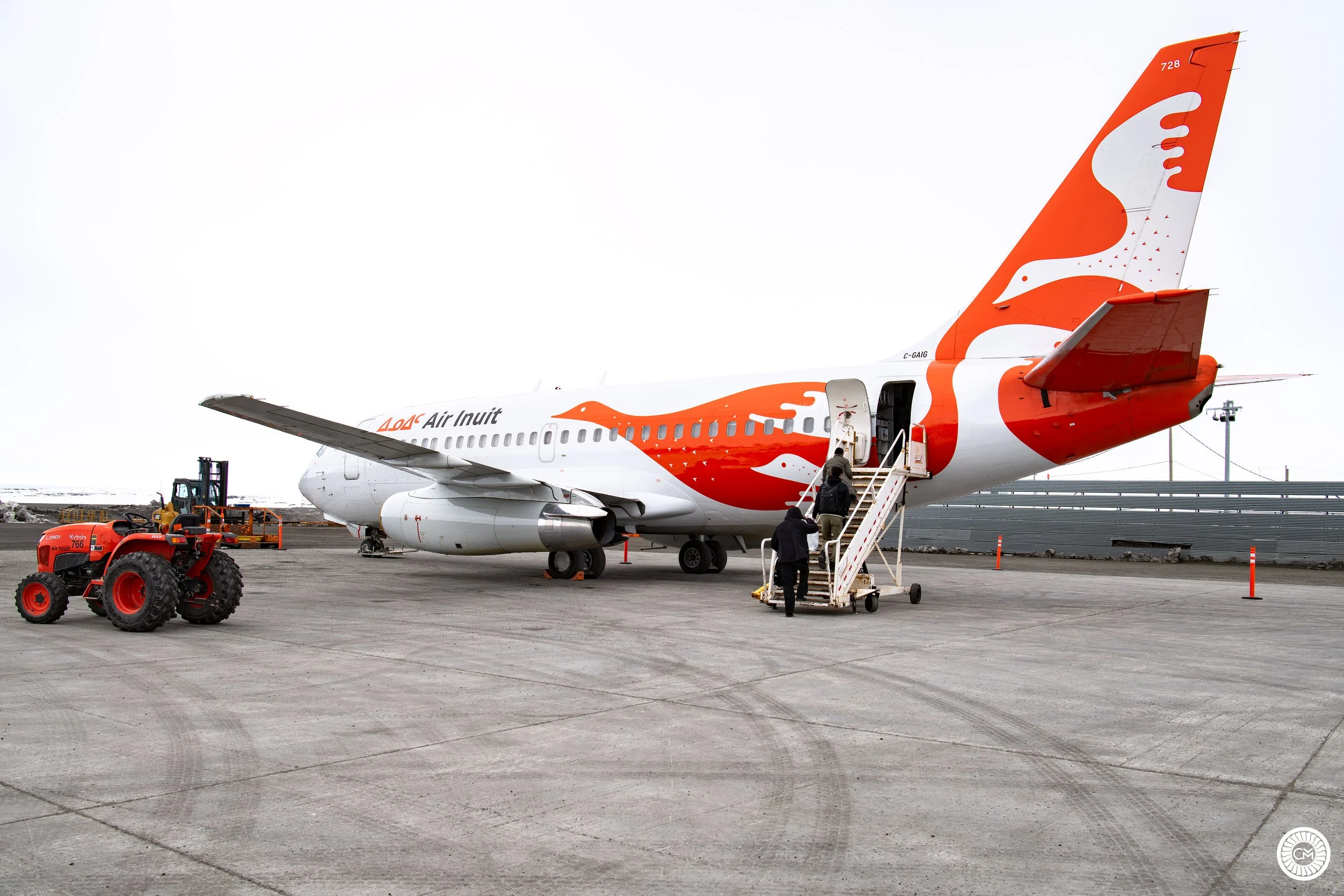
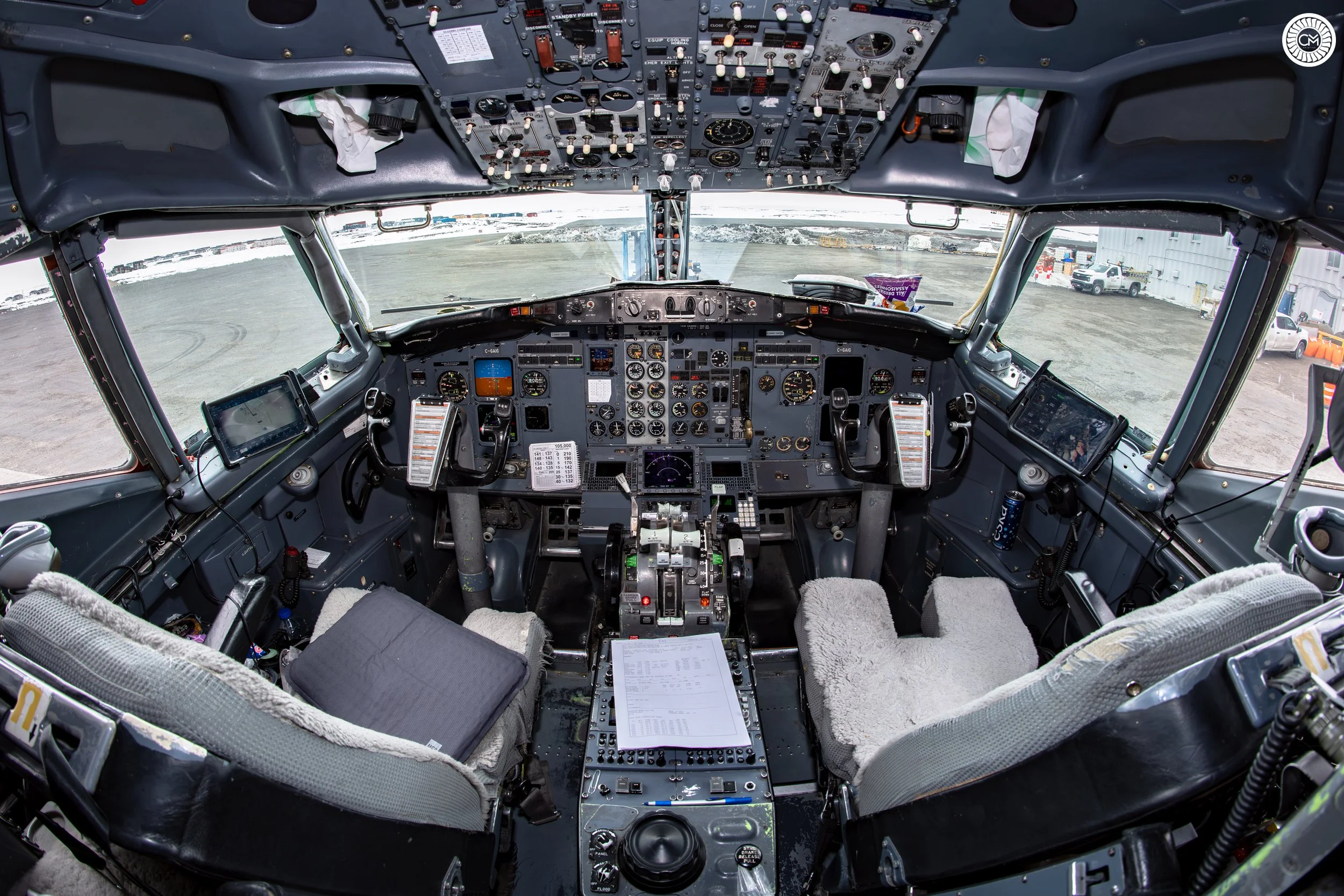
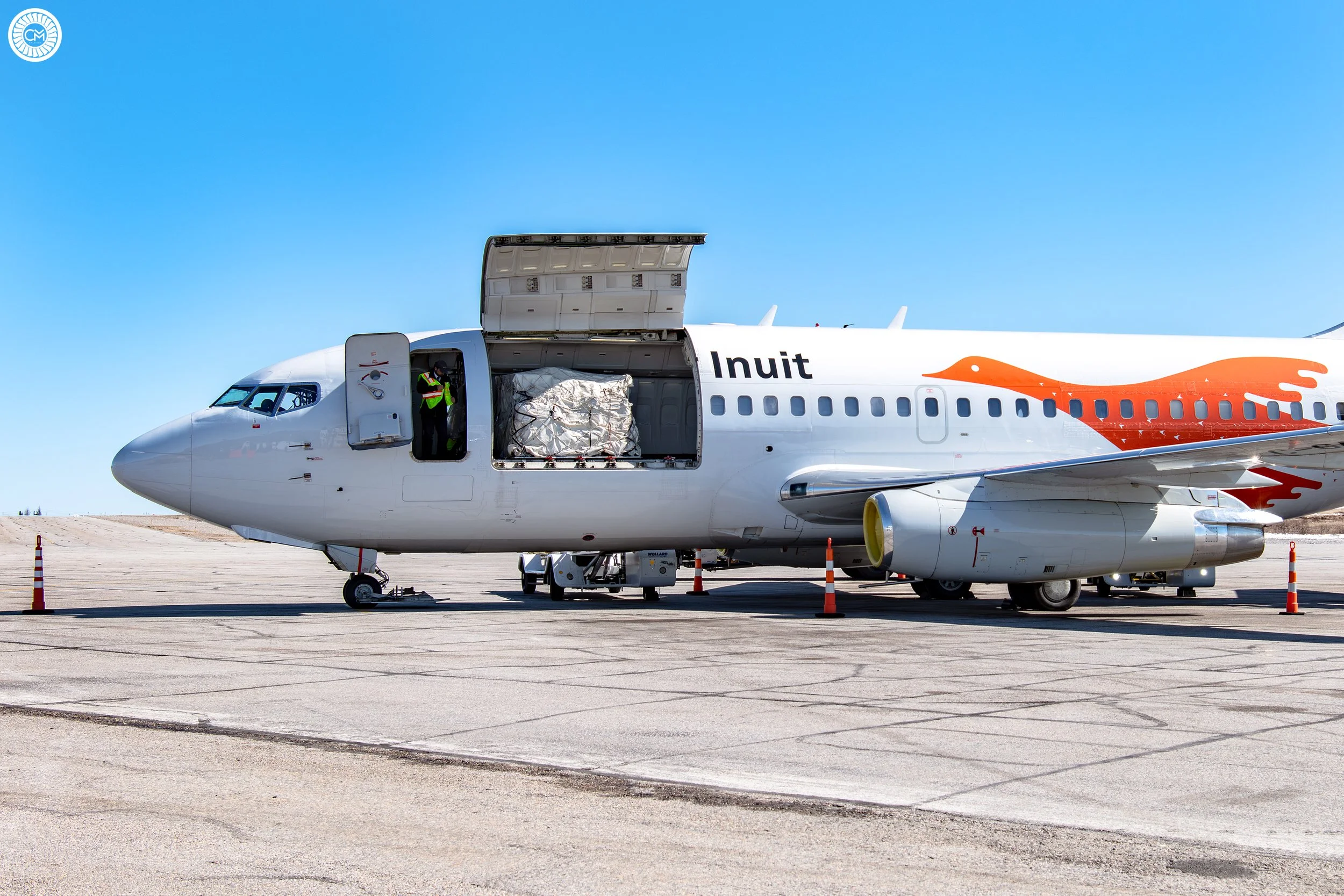
On the ground at Puvirnituq, a 3 hour flight North from Montréal and a 23 Celsius temperature difference. After landing on the gravel runway, the flight is de-boarded and cargo pallets are offloaded, with vital supplies for local communities. Here, Air Inuit ground members pose on the main deck of the Boeing 737-200 Combi during the offload process. The aircraft has a large main cargo door with space for up to 5 pallets, dependent on seating numbers and configuration in the rear. The weather can literally be the polar opposite from the South. On this flight in May 2026, the air temperature was 3 Celsius, with strong winds and low cloud. Below, the classic 200 sereis cockpit is seen between flights.
Gravel kit’s are not an available option for the newer -800 series due to the type not having enough ground clearance needed to accommodate the kit's vortex dissipators. To conquer this, the runway at Puvirnituq has recently undergone an upgrade and now consists of a finer gravel with a tar-style chemical overlay, which is suitable for B737-800C ops. An unforeseen issue with the runway surface in poor weather conditions presented itself in late 2025, meaning it has not yet been signed off for use by Transport Canada or Boeing for the -800 until further year-round testing is completed. The Air Inuit 737-200 will live on into 2027, when it is likely the fleet of 4 aircraft will be retired.
After departing the gravel runway of Puvirnituq (YPX), flight 3H701 to Montréal routes South via La Grande Rivière Airport (YGL), situated 30 km south southwest of Radisson, Quebec. Here, the aircraft is offloaded and passengers pass through customs and security before re-boarding the flight to Montréal (YUL). Cargo is also offloaded here at this remote location, as seen here on the YGL ramp.
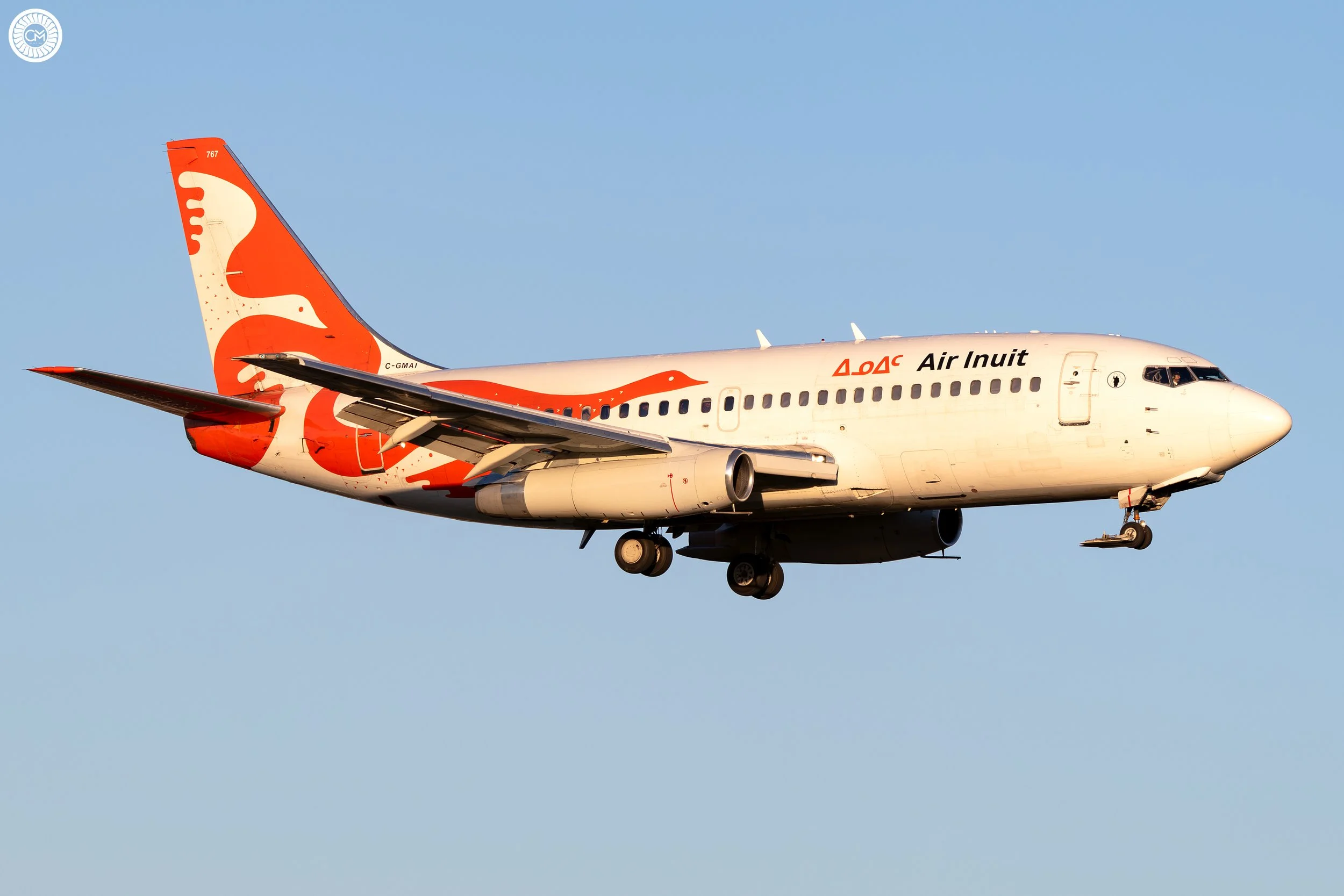
‘INUIT 701’ arrives back at Montréal after a day’s flying to the remote North to support and enable Inuit communities to thrive and survive.
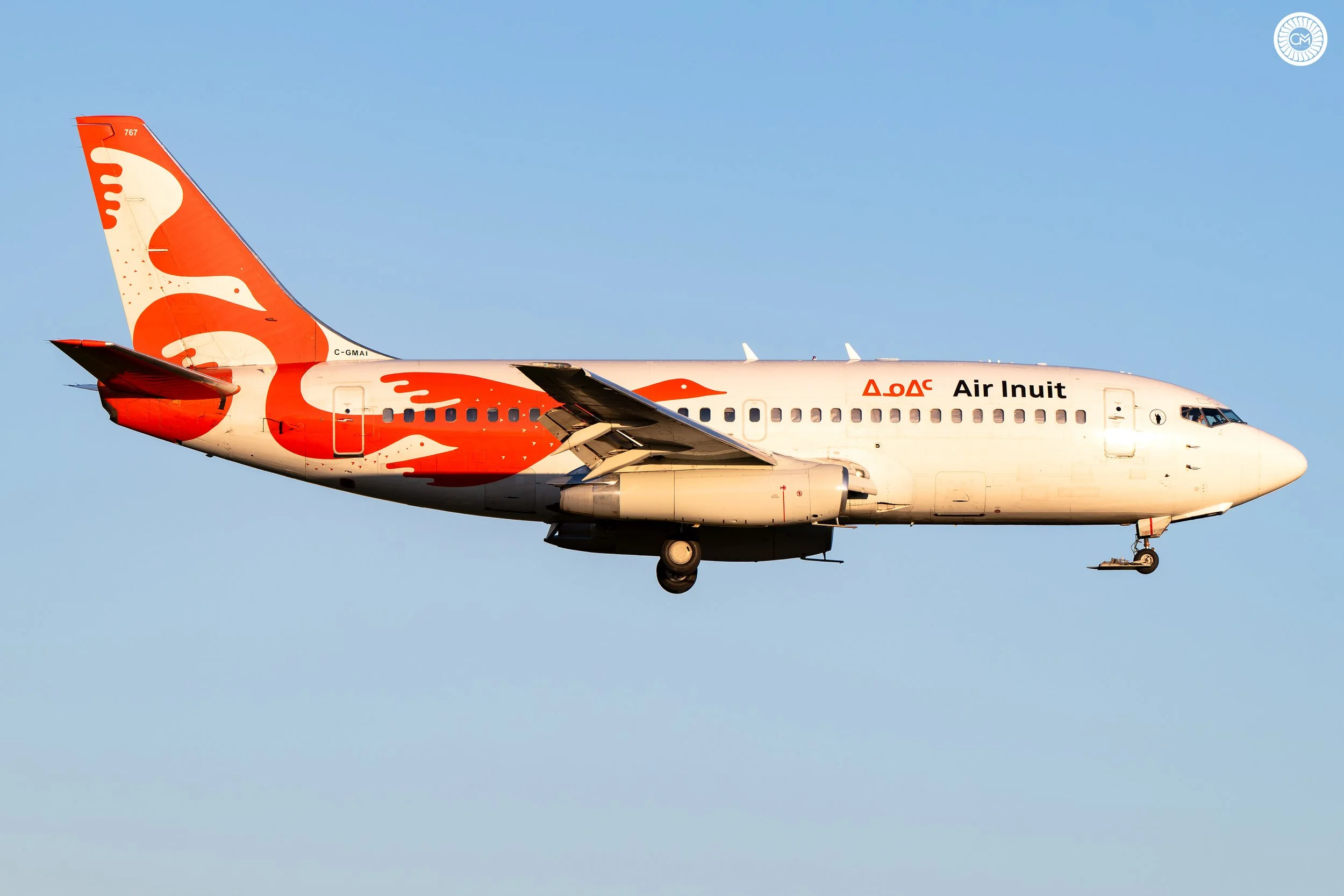
The 737-200C’s unique unpaved strip kit is what keeps the old airframe active in Canada as many remote airstrips have a gravel or rough surface. The nose-gear gravel deflector and vortex dissipators on the engines can be seen here on the aircraft in Montréal.
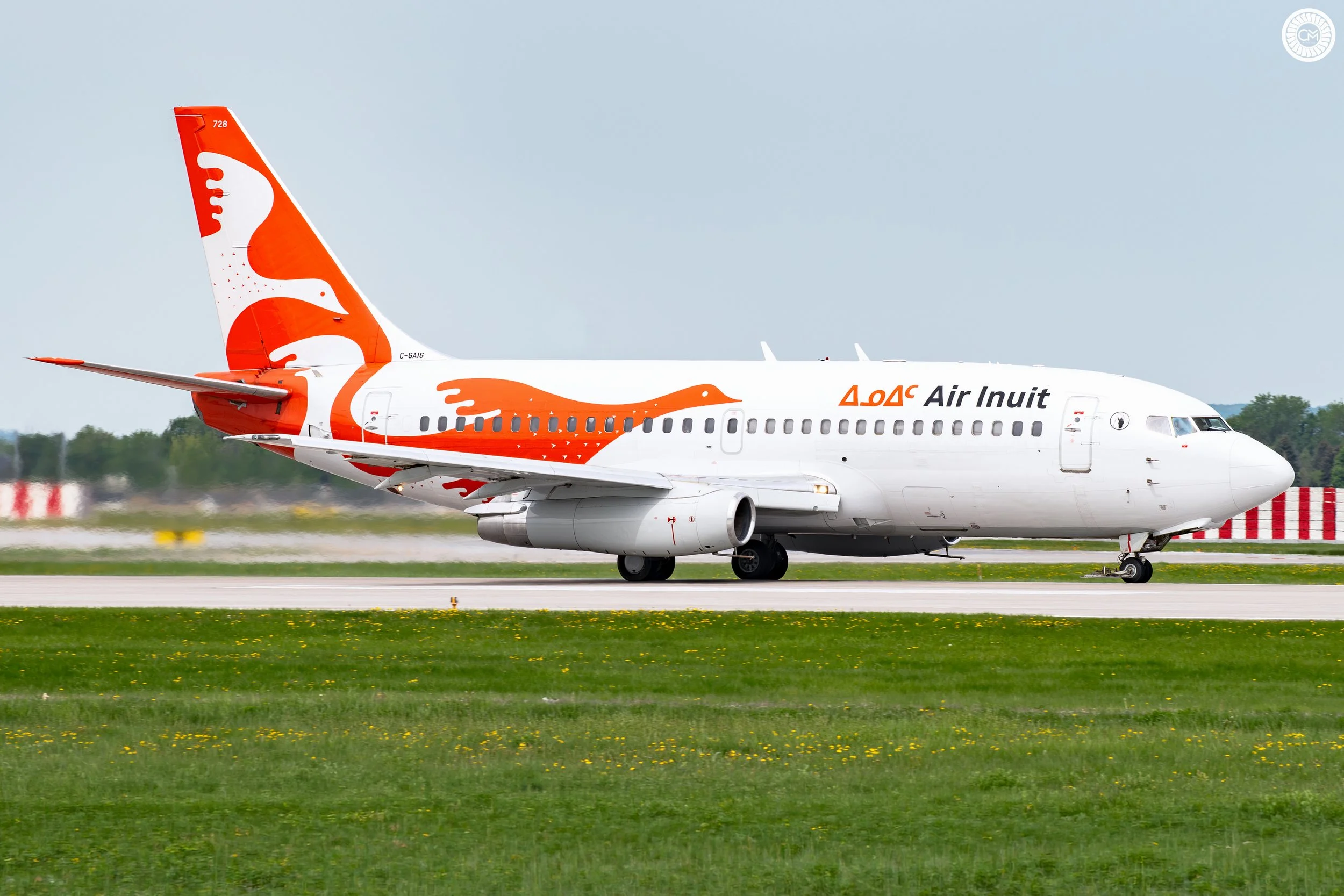
The fleet of four B732 are between 44-49 years old: C-GSPW, C-GOPW, C-GAIG and C-GMAI and are now some of the last of their kind in Canada. Charter operators such as Nolinor continue to operate a fleet of the aircraft which is likely where the Air Inuit machines will end up after their upcoming retirement.