Army Air Corps Westland Gazelle - 50 not out, almost
After half a decade operating with British Forces, Chris Melaisi takes a closer look at the Westland Gazelle in Army Air Corps service during its final months of operations:
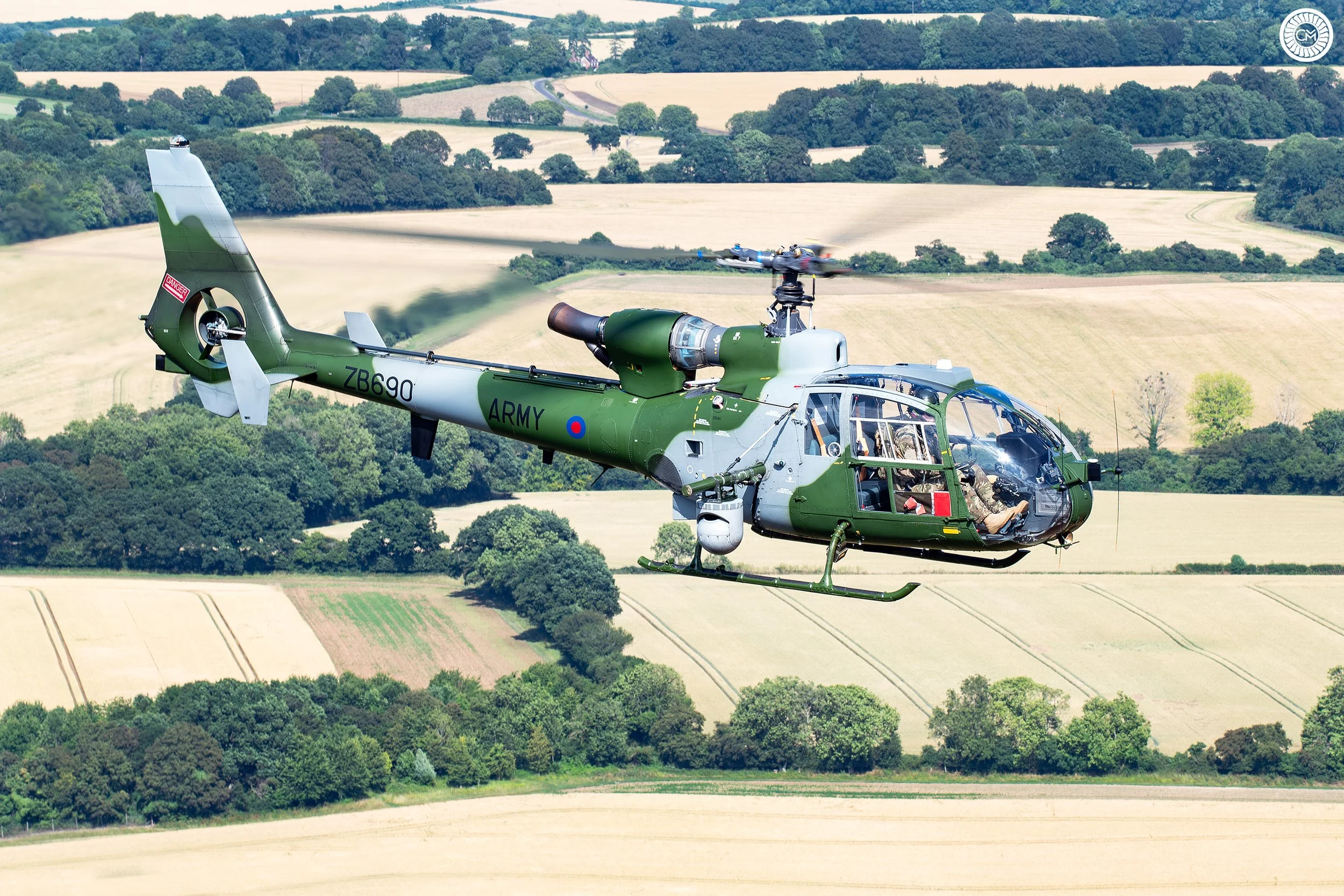
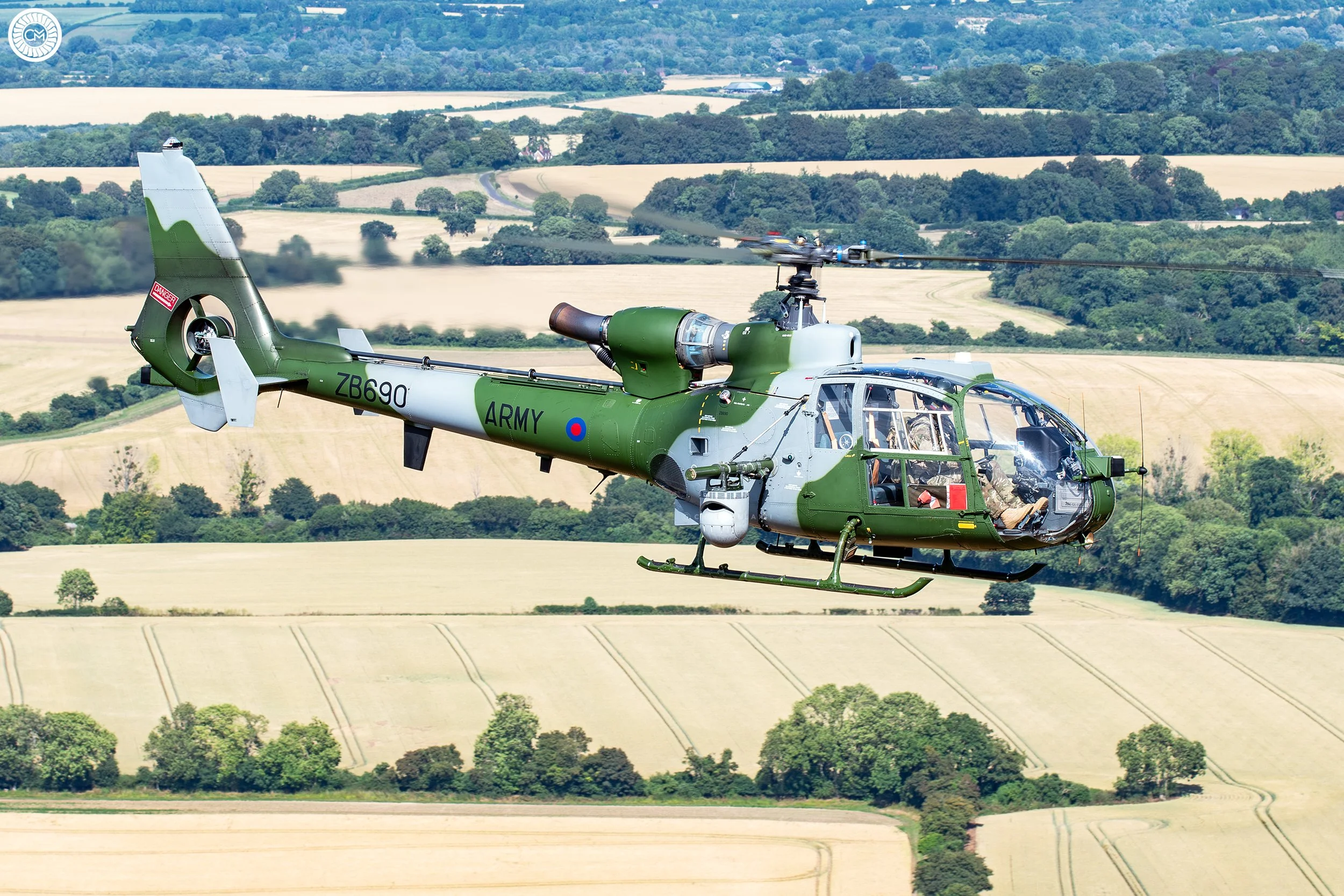
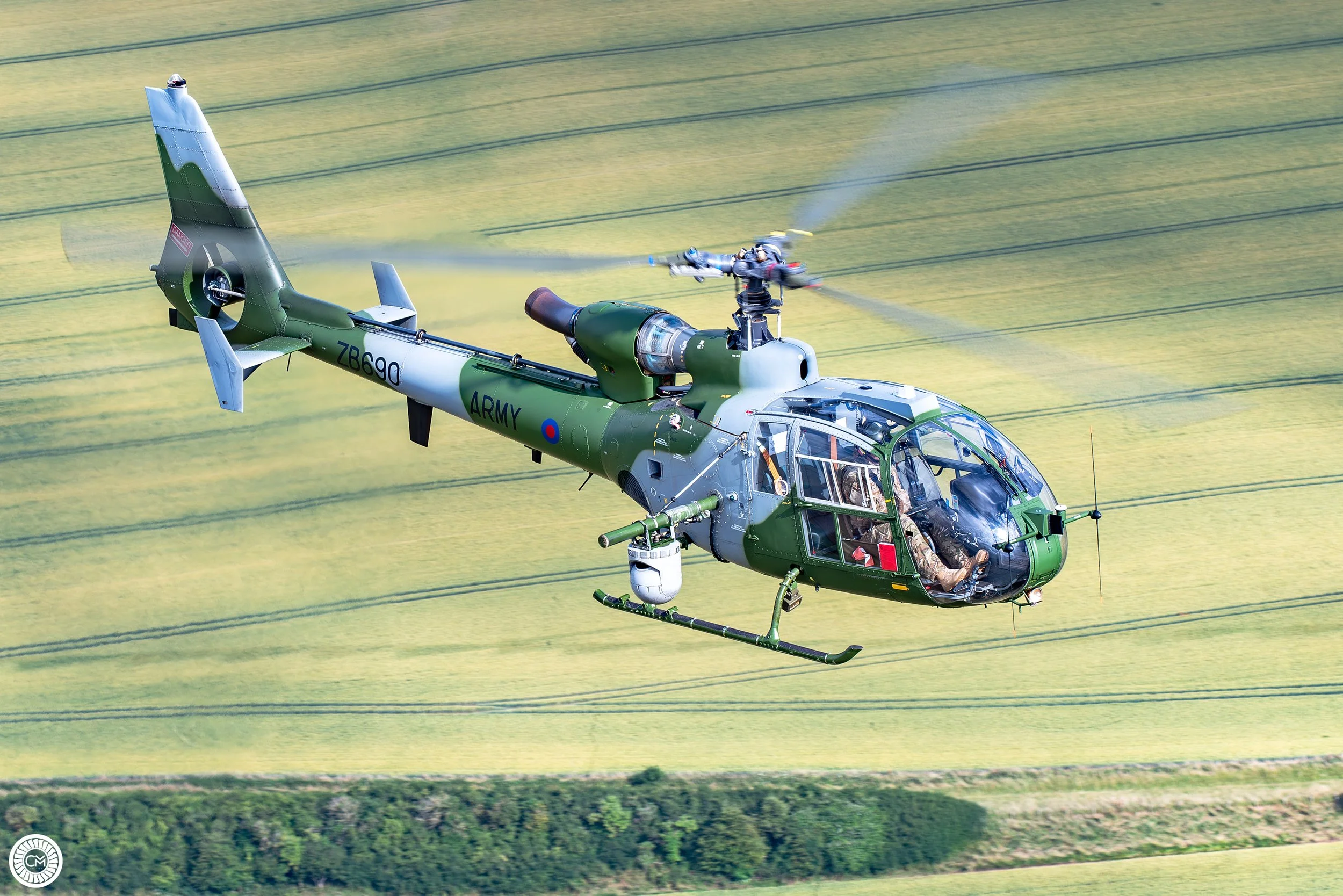
Serving almost 50 years with UK Forces, the Westland Gazelle has proved itself to be a formidable asset within the Army Air Corps (AAC). Many different roles have been covered over the past five decades, including mission reconnaissance, passenger transport, medivac and surveillance. Operations recently ended on a career which places the Gazelle as the longest-serving helicopter, which has been used by all four UK military forces. Originally designed and built by Sud Aviation (Aerospatiale) in France, Westland Helicopters was licensed to build 282 Gazelles in the UK for the British Armed Forces. Since 1974, the AAC has been using the Westland SA.341B Gazelle AH1 – small, continued upgrades and the highest standard of maintenance have kept the aircraft updated to current standards and have allowed a prolonged career for the aircraft. Throughout the AH1’s history within the AAC, the aircraft has served in many different squadrons, being based in both the UK and abroad. The Gazelle was heavily used in West Germany during the 1980s under NORTHAG (NATO Northern Army Group), where three regiments (1, 3 and 4AAC) consisting of nine different squadrons operated Gazelle under the surveillance and anti-tank role. This saw around 40-50 aircraft being stationed in Germany at any one time. 29 BATUS (British Army Training Unit Suffield) Flight was an independent flight within 5AAC, which was based at Canadian Forces Base, Suffield, Alberta, Canada, providing CASEVAC and training support to ground forces. Various flights and squadrons have been based throughout the UK supporting training, right through to the anti-terror role throughout England, Northern Ireland and Scotland. Skipping forward 49 years from the service entry date to 2023, the AAC flew the Gazelle out of two operating bases under two separate regiments until the aircraft’s official retirement date of October 31, 2023. Based at Flying Station Aldergrove, Northern Ireland, 5 Regiment AAC which consisted of 665 Squadron – the sole remaining front-line unit and 7 (Training) Regiment AAC, stationed at Army Aviation Centre Middle Wallop, Hampshire, where the conversion flight was based.
Squadron ops
As of October 31, the Gazelle has now finished operations with the British Army. Over the years, 665 Squadron Gazelle AH1s have seen their fair share of operations overseas. In 2003, following the invasion of Iraq, 665 Squadron deployed three Gazelle helicopters to support ground forces in the surveillance role and assist with counter-insurgency. They have also played important roles in areas such as Canada, Kenya, The Falklands, The Gulf, Kosovo, Belize, Cyprus and Germany. The squadron supported counter-terrorism operations in Northern Ireland under Operation Banner, providing armed forces assistance to the Police Service of Northern Ireland, which concluded in 2007. 665 Sqn has since continued supporting the UK government and local forces in Northern Ireland, an ongoing task for over 40 years. Its main front-line task was surveillance, but aircraft and personnel from Aldergrove were deployed regularly to other areas of the UK to support training, VIP transport operations and exercise support. In April 2023, 665’s crews supported the President of the United States’ visit to Northern Ireland, taking US helicopter crews on recce flights in the Gazelle to familiarise them with the operating area ahead of his arrival. Another recent example is Ex Apollo Sabre – a field exercise in which 5AAC aircraft and personnel operated out of Middle Wallop and supported in the surveillance role; this took place in July 2023. The conversion flight was based at 7 Regiment AAC at Army Aviation Centre Middle Wallop. Babcock Aviation was contracted by the AAC to supply and maintain 5 Gazelle at Middle Wallop for conversion to type and role training; this included two civilian instructors. The aircraft was also used for exercise support and daily taskings. This included VIP transportation, training UK and foreign forces and support. An example of the supporting role was the Gazelle being used by Apache crews for navigational route recce – the Gazelle’s immense visibility was handy for future planning and observation of any structural impacts a larger helicopter may face on a low-level route. This was also cost-effective compared to using a twin-engine helicopter for the same job, requiring a larger crew.
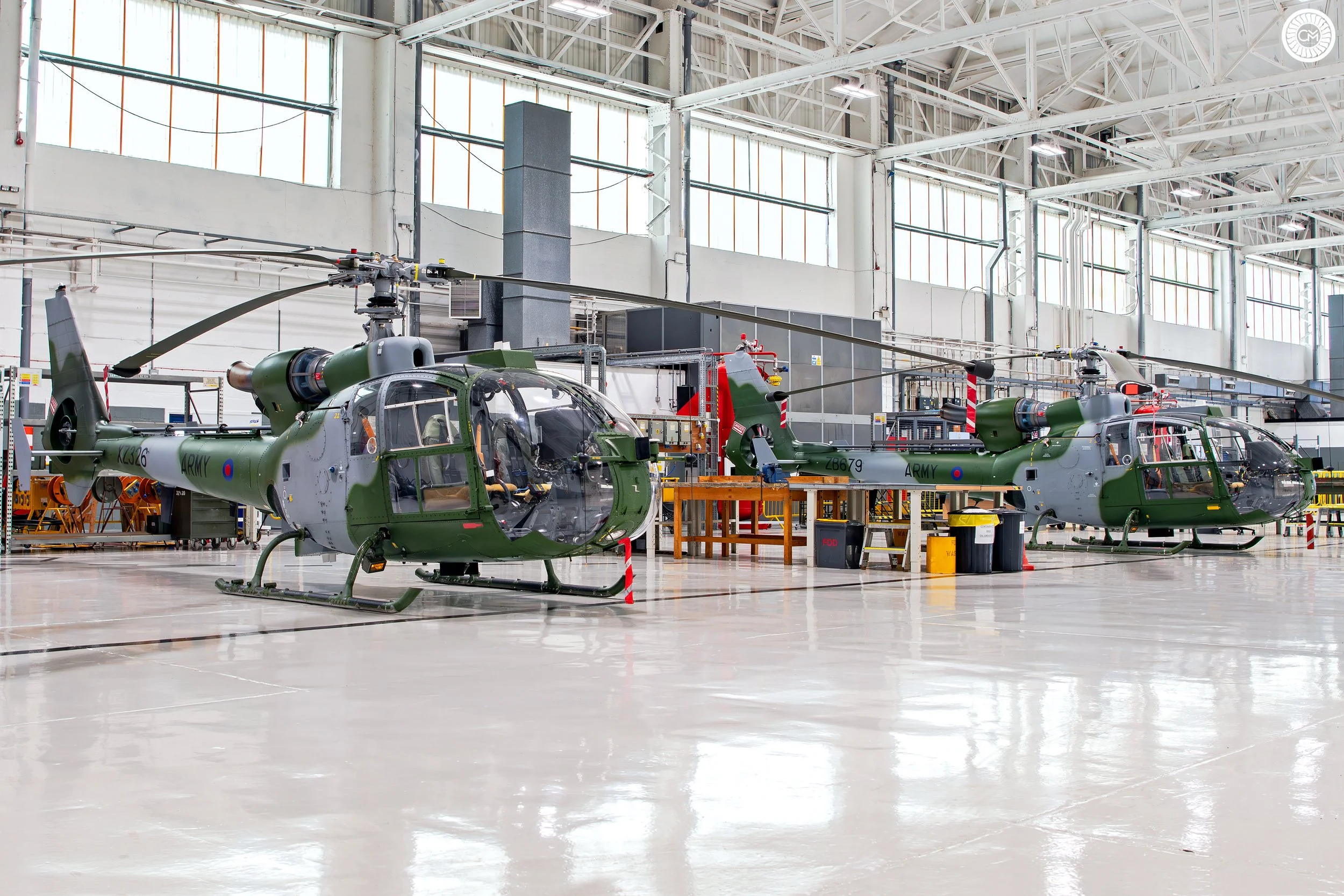
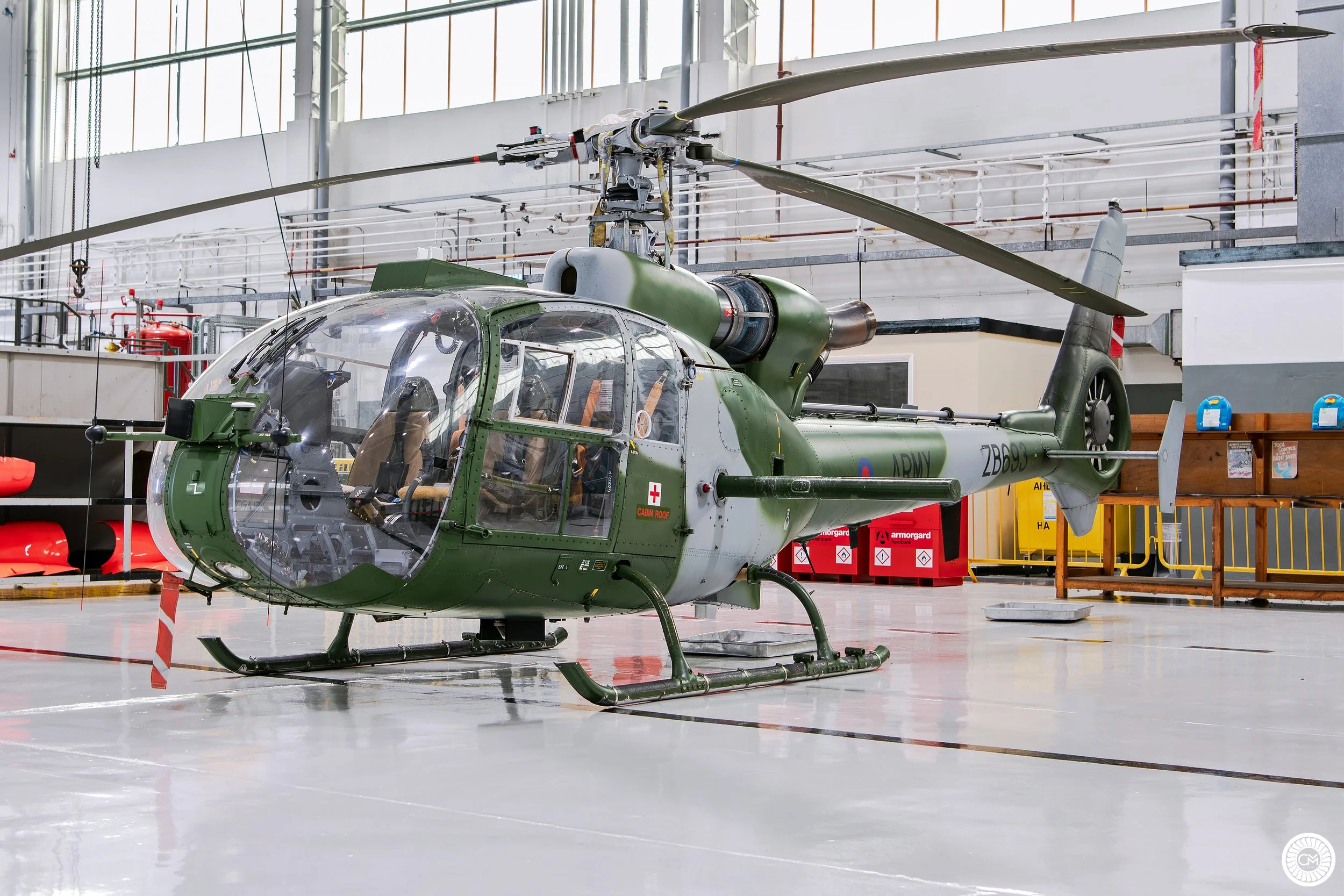
Gazelle AH1 - XZ326 and ZB679 sit in the AAC Middle Wallop hangar. The aircraft were maintained to the highest standard by AAC personnel.
Northern Ireland based aircraft visited regularly for maintenance, such was the case with ZB693, pictured here before a test flight.
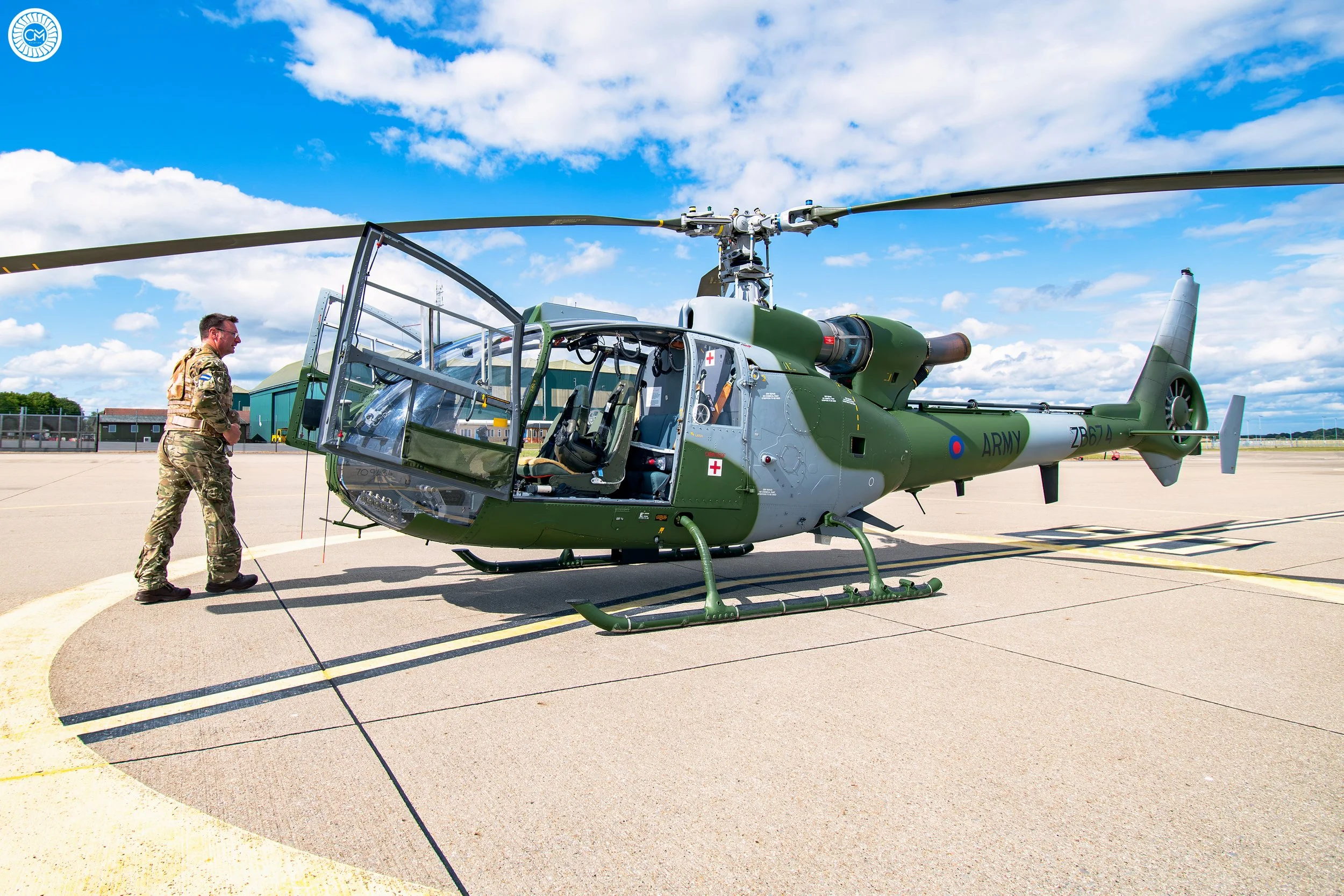
A 7AAC pilot performs a pre-flight walk around at AAC Middle Wallop. Gazelle AH1, ZB674 is seen here in a ‘clean’ state, without any external equipment or pylons attached
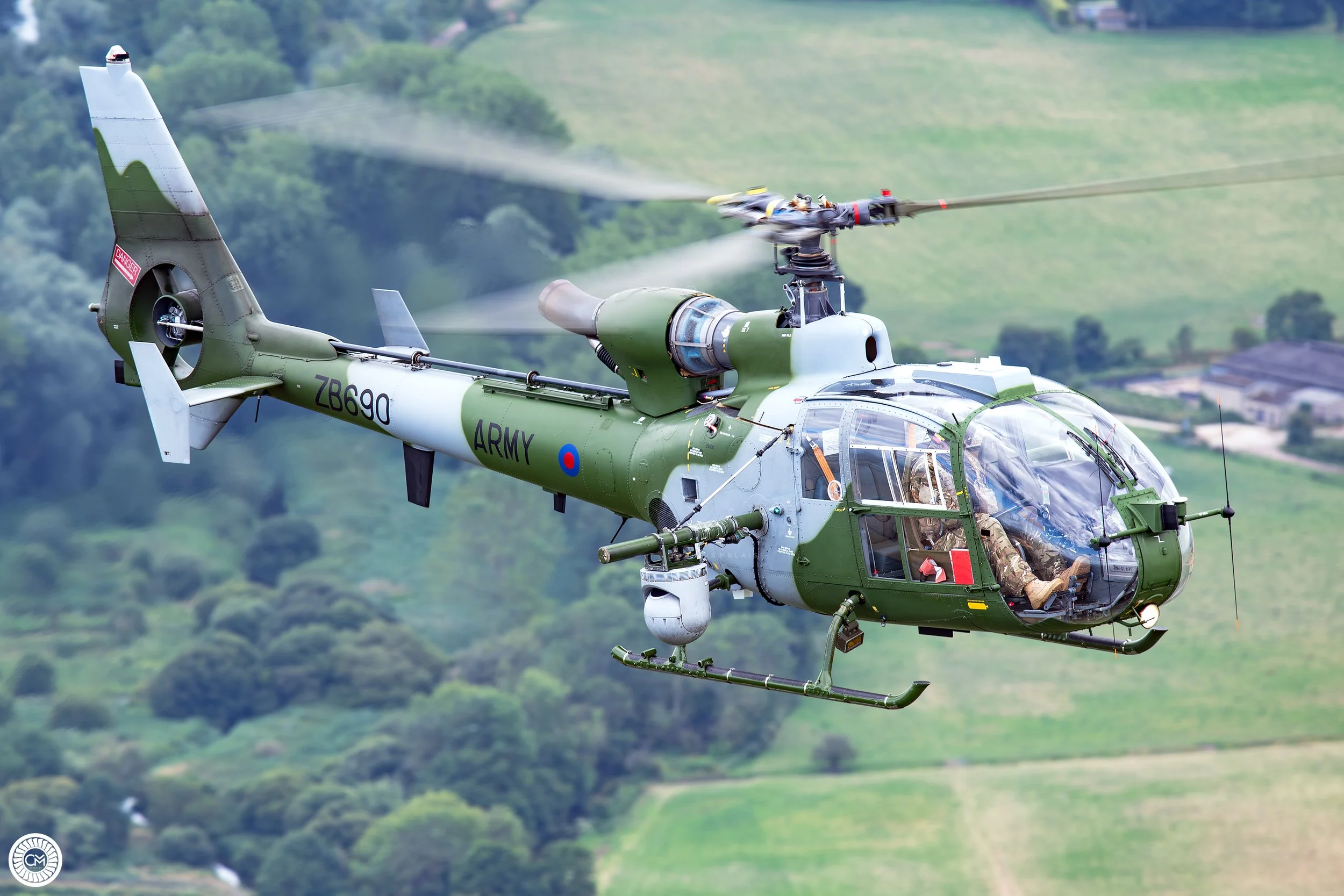
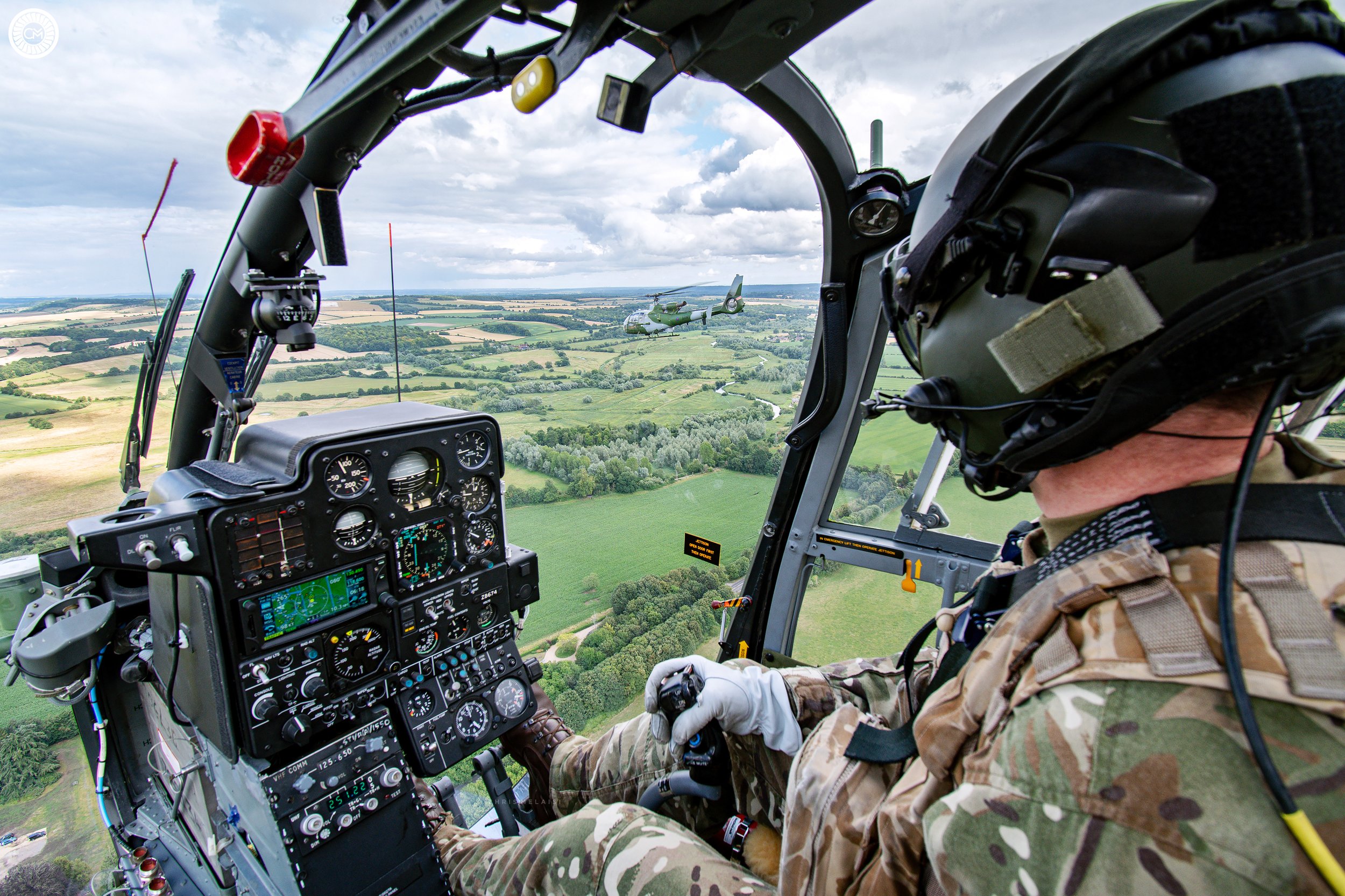
Regardless of your trade in the Army Air Corps, at some point, you will have come through Middle Wallop as part of your training and come into contact with the Gazelle. So, it’s quite fitting that it still has a role to perform at 7AAC with Conversion Flight. Captain M (full name redacted), a Regimental qualified helicopter instructor as part of 5AAC said: “I trained on Gazelle as ground crew and first flew it as an Aircrewman (Observer) before completing my pilot training on the AS350 Squirrel. It was then back to Gazelle to fly operationally in the UK, NW Europe, Cyprus, Canada and the Middle East.” The aircraft has a long legacy within the AAC; in fact, British Army Gazelle AH1 XW846, still flying with 665 Sqn AAC, is believed to be the oldest operational Gazelle in service worldwide and is the fleet leader in terms of flying hours. Its introduction into the AAC marked a leap forward in technology and reliability when it first entered service almost 50 years ago when compared to the likes of the Westland Scout and Bell 47 that it eventually replaced. Capt M added: “The simplicity of the Gazelle’s design is one thing I really admire. When you take the time to walk around the aircraft, you can appreciate the engineering involved and how the designers thought about its systems to make them work so well. You can also see the design evolution as you compare it to more modern Airbus family helicopters, which can all trace their origins back to the Gazelle. It is a machine with a mechanical solution for many of the things that are now catered for in design and manufacture using composites or computers.” In terms of upgrades, the aircraft hasn’t changed much overall in terms of physical appearance. The avionics have been updated over the years, and the camera fits and attachments have been improved as technology has advanced. The most noticeable upgrades have been in the boot of the aircraft, going from large ‘cinemalike’ cassette recorders to a much smaller data card. The ability to downlink has also allowed components to be shrunk down. This has equated to a better payload, which translates to greater time overhead on task or carrying a wider range of equipment. More recently, the Gazelle became the first aircraft in UK defence to be PBN (Performance-Based Navigation) capable; rather than using ground-based navigation such as VOR or DME, it can now use satellite-based systems. This allows crews to expand on existing Instrument Flight Rules (IFR) capabilities and use RNAV approaches in poorer weather for transit and recovery to various airfields, which would previously not have been available. The Gazelle uses a Garmin GTN 650, which also provides a traffic avoidance system to build better situational awareness for the pilot – handy when operating as a solo pilot, which is often the case with current operations and increasing flexibility without compromising safety.
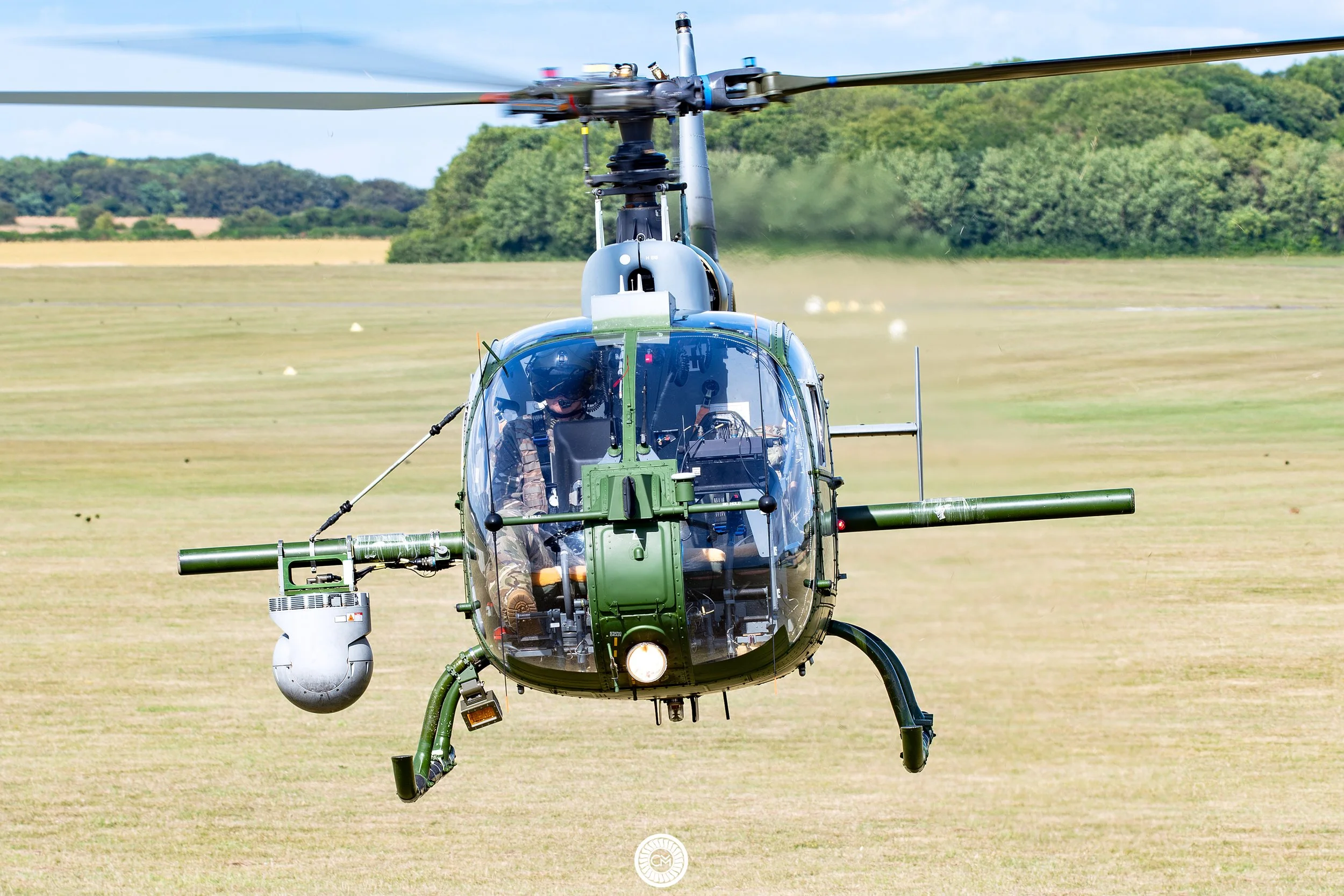
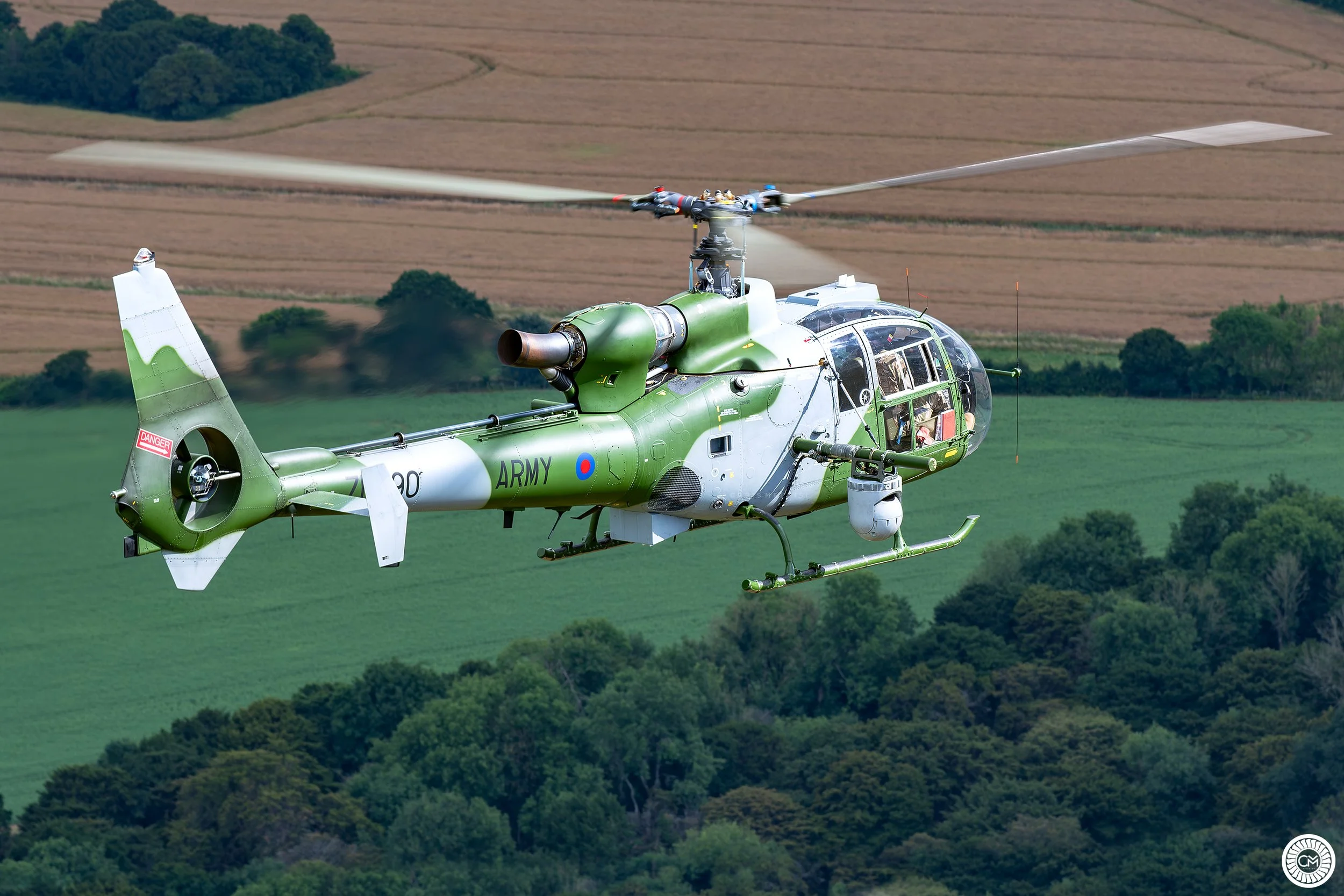
Recent operations included Route Recce for other aircraft types, Liaison and exercise support. During Field Army exercises, Gazelles can still offer a credible ISTAR capability using the camera with the downlink facility. Real-time information can be fed back to HQs, often playing on behalf of Red or Blue Forces within the exercise scenario, as was the case for Ex Iron Titan and Apollo Sabre on Salisbury Plain recently. “We have also been engaged in short-term training teams with the Lebanese Air Force. They also operate the Gazelle and requested assistance in developing some advanced training to aid their current cohort of Gazelle instructor pilots (IPs). This involved sending teams to Lebanon to work with the Force and also host LAF IPs and aircrew at Middle Wallop to practice, for example, engine-off landing training. Underwater escape training and flying through busy UK airspace, which included the London Heli Lanes. These tasks will continue to be supported until the aircraft’s upcoming retirement,” Capt M confirmed.
The CO’s view
In an interview before the retirement of the aircraft, the Commanding Officer of 5 Regiment AAC, explained how important the aircraft has been for the British Army and that close co-operation of personnel working closely together has been key to keeping the Gazelle operational for almost five decades. As the operational side of the aircraft winds down, the Gazelle is now only supporting UK activity before its eventual Out of Service Date. “Having been in service for so long, we have operators, both air and ground, with vast amounts of experience. Unlike the other aircraft that the AAC operates (Apache and Wildcat), Gazelle has no simulator to practice for worst-case scenarios, so we have carefully developed training practices to ensure we remain as safe as possible,” the CO explained. “One of the excellent ways we use our experience is through training teams, passing it on to other nations flying Gazelle. We can help them with some of the more advanced training we do to make them safer and more capable, exactly what British Army training teams do worldwide,” he added. In the last few months, the small Gazelle fleet has supported troops exercising on Salisbury Plain, acting as an enemy air to add realism to their training. They also continue to provide surveillance and reconnaissance support as well as command liaison. “It is a testament to both the aircraft and the soldiers who fly, maintain and support the Gazelle that, nearly 50 years after it was brought into service, we are still finding ways to add value to British military activity,” the regiment CO added. Historically, this aircraft has been in almost every role a helicopter can be used for, including having rockets fitted during the Falklands War in 1982. The CO concluded: “That point about people is really important. If you put a 50-year-old Gazelle next to an Apache AH64E, the one thing that links those two is the people who maintain, refuel, operate and fly them. Our people who do that need to be the best, and they are. It is these people – trained, focused, with a clear sense of purpose and understanding of what needs to be achieved – which have kept Gazelle flying for so long.’’
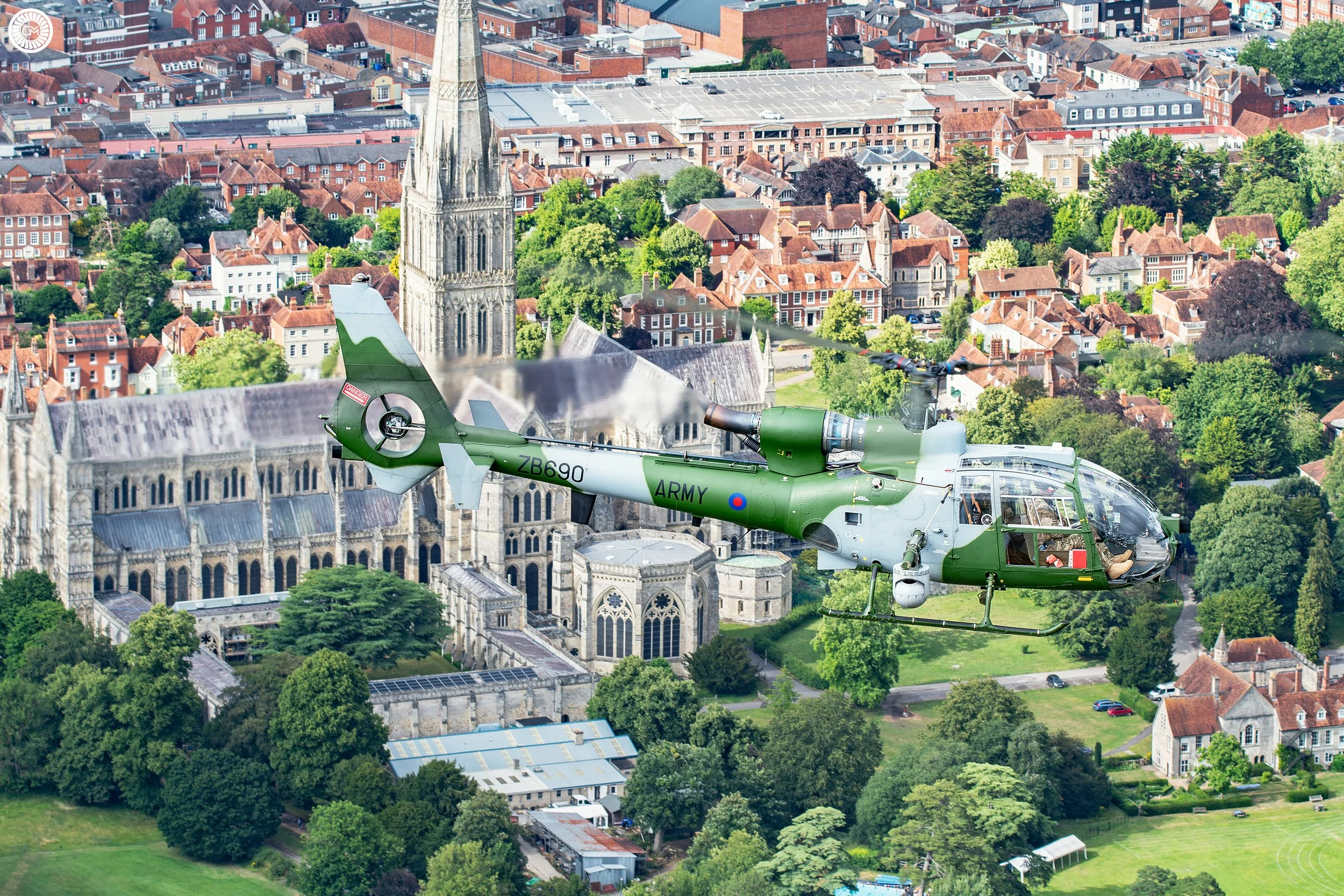
‘TORMENT01’ flying over Salisbury Cathedral. The Gazelle has served heavily in urban areas, including in Northern Ireland for Operation Banner
Gazelle’s legacy
Overall, the Westland Gazelle AH1 has supported the British Army worldwide for nearly 50 years. It has served and performed under various roles to the highest standard. The surveillance role has been its key attribute to British Forces, which it continued to perform until October 31, 2023. The Gazelle closes its operational career with the UK but is still currently used by other Armed Forces in similar roles, including Angola, Bosnia, Cyprus, Ecuador, Egypt, France, Lebanon, Morocco, Qatar, Serbia and Tunisia (among others). It is yet unclear if the British Army aircraft will be transferred to any of the mentioned forces to grow or replace their current Gazelle fleets. Three aircraft eventually performed a UK flypast tour as part of their farewell on October 23, with the final aircraft, ZB690, departing JHS FS Aldergrove on October 26. The aircraft will certainly be missed by all members of the AAC who have worked with and around it. Thankfully, they can continue to enjoy it through the likes of the Historic Army Aircraft Flight, which will receive two aircraft to join their fleet at Middle Wallop in the coming months