Canada’s New SAR KINGS
2025 has been a pivotal year for Canadian fixed wing search and rescue operations as they introduce their new Airbus CC-295 Kingfisher across the country. Chris Melaisi visited 413 Transport and Rescue Squadron of 14 Wing, CFB Greenwood to learn more about the new SAR platform
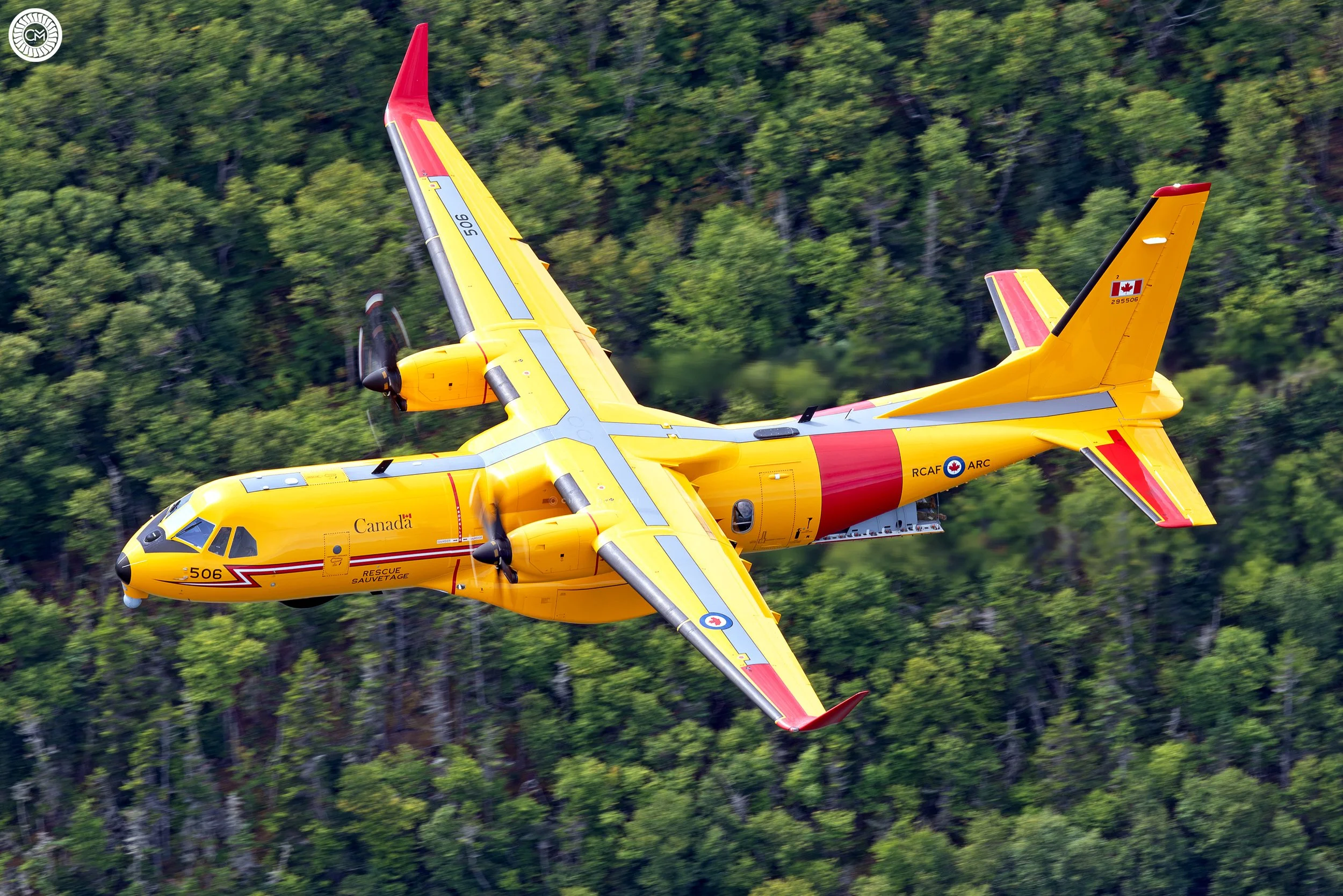
Canada’s fixed wing search and rescue (SAR) mission is being revolutionised. The Airbus CC-295 has finally arrived, with 16 of them set to replace the retired CC-115 Buffalo and ageing CC-130H Hercules SAR aircraft. Each Royal Canadian Air Force (RCAF) SAR squadrons, aside from the Operational Training Wing at CFB Comox, British Columbia, will receive three aircraft. As of September 2025, the second unit to receive the Kingfisher, 14 Wing’s 413 Squadron based at CFB Greenwood, has taken delivery of two out of three aircraft. Future aircraft squadron’s will be stationed at CFB Trenton, Ontario and CFB Winnipeg, Manitoba.
Kingfisher in Nova Scotia On August 10, 2025, 413 Squadron received its first, with the second aircraft delivered just under two weeks later. They flew direct from CFB Comox, British Columbia on Canada’s west coast to their new base in Nova Scotia on Canada’s eastern side, a cool 3,750 miles (6,000km) away. Both aircraft are now part of a program to integrate the aircraft into CFB Greenwood’s fleet. This will entail several months of training and operational preparation before officially joining 413’s SAR lineup and obtaining operational capability for future missions. The estimated date for this is January 2026. In recent years, 413 Squadron has been preparing for the arrival of the Kingfisher and have deployed aircrew and more recently ground crew to assist in the development of the aircraft at CFB Comox. This ensured the Greenwood based squadron was ready to accept their first CC-295 during August 2025. No 418 Search and Rescue Operational Training Squadron, of CFB Comox play an essential role in providing all training on the new SAR asset for all trades. Simulators for all aircrew types are in place, allowing trainees to work and operate together like they would on task, during a mission. This has been a key element in delivering training on time and on an operationally capable aircraft for May 1, 2025. They succeeded and the CC-295 Kingfisher was deployed on two operational SAR calls from Comox during April 2025. The aircraft then went on to perform its first official mission in May 2025, to save a Canadian life. After years of preparation, the first 413 Squadron Kingfisher crews are now ready to take to the skies over Canada’s Eastern seaboard.
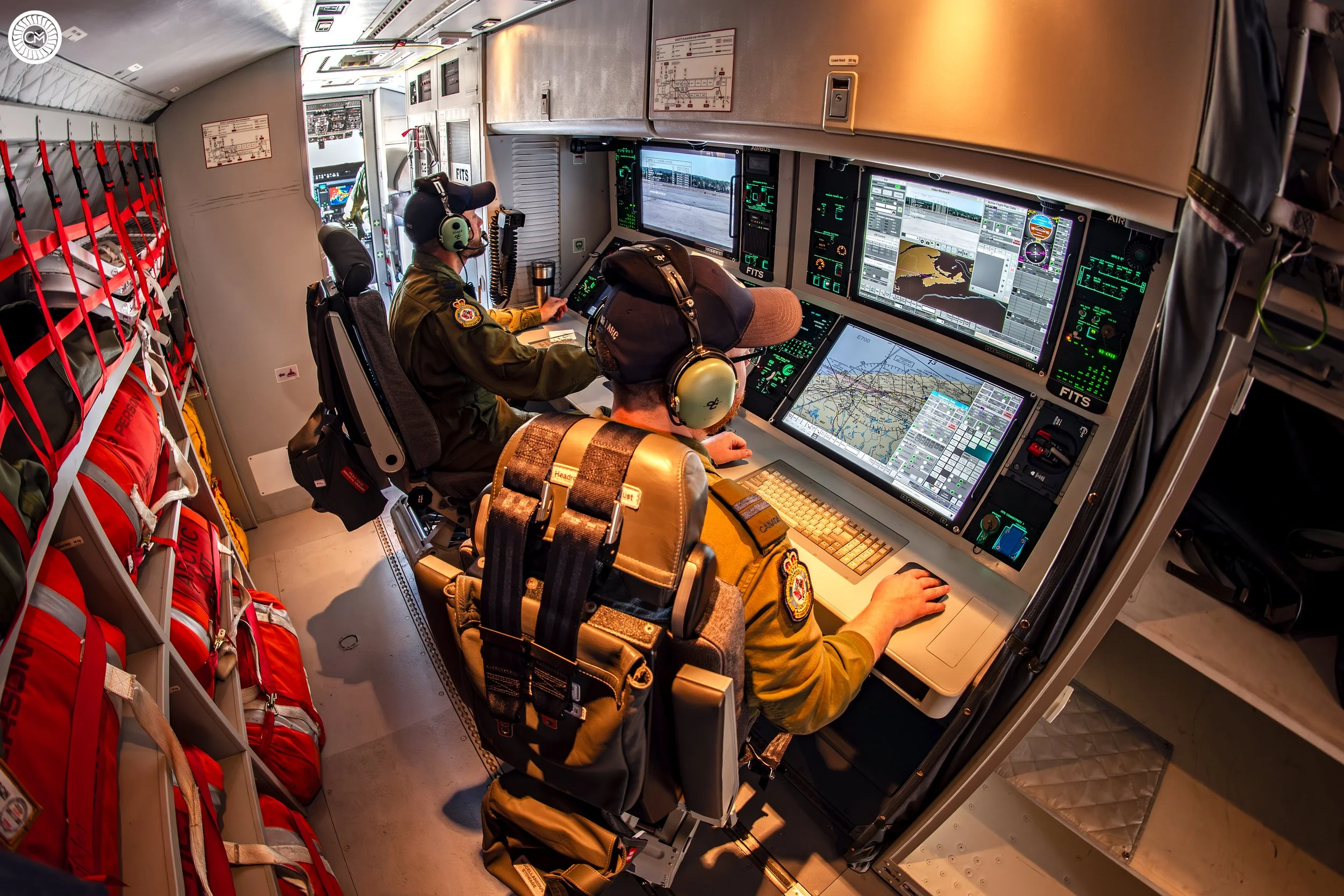
The author sat down with Capt Brad Harding, a 413 Squadron, CC-295 Tactical Coordinator, to learn more about his current role on the new platform. Harding said: “I have recently arrived back at 413 Squadron with the Kingfisher, I was previously at 418 Squadron, in Comox, the search and rescue school for the aircraft where I’ve been a part of the project since 2018. I spent a year with SARSET, which is the Search and Rescue Standards and Evaluation team. Here, the aircrew and aircraft manuals are evaluated and brought to a fleet-level standard. From 2014-2018, I was a navigator on the CC-130H here at Greenwood. “I’m still a navigator on the Kingfisher but we are known as a Tactical Co-ordinator or TACCO. The role is similar to that on the C-130, managing the mission from the back of the aircraft. This includes search planning and preparing search patterns in conjunction with the Airborne Electronic Sensor Operator (AESOP), who I work closely with. We manage everything in the back of the aircraft including flight plans, operating altitudes, weather surveillance, camera and sensor employment and SAR Technician (Tech) employment. We also drop gear to aid SAR Tech’s on their mission after they deploy down from the aircraft. “This involves moving to the back of the aircraft with the Sensor Operator, where they will launch equipment whilst the TACCO calls the timing and location of the drop. At Comox, TACCO students will attend ground school at the 418 Squadron training centre. They will perform numerous simulator sessions independently to get used to the mission system before integrating and performing simulator sessions in conjunction with Kingfisher pilots.” Harding continued: “From here, crews will then move to the aircraft to perform on-board and real-life flight training which the simulator cannot provide, for example, dropping bundles out the back of the CC-295 and simulating live parashooting operations. The new simulators and training process ensures efficiency and has been a positive experience in moving aircrew from an older platform to the Kingfisher.”
Despite some early setbacks in the Kingfisher programme, the aircraft is now operational in Canada and now performing missions at its second base, CFB Greenwood, where it is replacing the Lockheed CC-130H Hercules. Despite the C-130’s range and speed advantages, the CC-295 will bring new capabilities to 413 Squadron and is due to enhance their operation.
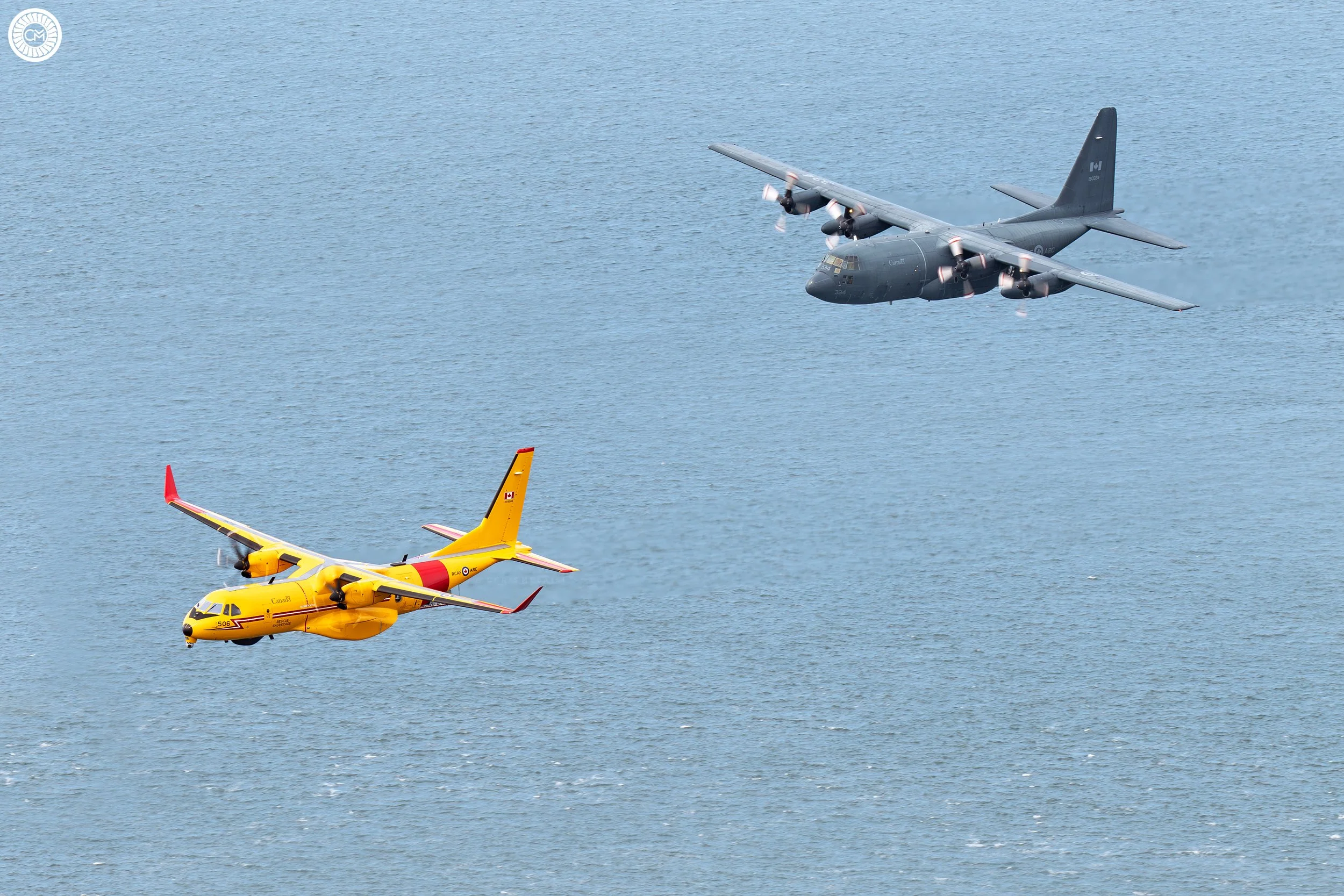
History as both 413 Squadron CC-295 and CC-130H fly together for the first time over Cape Split, Nova Scotia.
Efficient searching While the CC-130H is faster and has more range (7,200km) than the CC-295 Kingfisher (4,500km) it lacks modern technologies like a camera and a modern radar. The Hercules has a weather radar and the ability to show the direction of where an ELT (Emergency Locator Transmitter) is coming from but relies heavily on its crew to perform visual searching with their eyes when over the vicinity of the site. The Kingfisher’s new multi-mode, Active Electronically Scanned Array (AESA) search radar is a synthetic aperture radar, which provides a much higher resolution, allowing it to search for smaller objects than its predecessor. The CC-295 will arrive on scene a little later than its legacy predecessor would – but it will quickly make up for and gain vast amounts of time searching for and locating its target, whether that be a person, boat or aircraft. The aircraft also hosts a state-of-the-art L3Harris WESCAM MX-15 Electro-Optical and Infrared (EO/IR) Camera, which is located under the nose, providing new capabilities to the crew. In a large scale, national SAR exercise (SAREX 2024) held in 2024, the Kingfisher proved its new capabilities against fixedwing SAR assets such as the CC-130H, CC-130J and United States Coast Guard HC-130J / HC-144. The CC-295 was able to search and locate, the quickest of all the performing assets. Crews were able to locate the search object and outperform their SAR colleagues, showing the Kingfisher’s efficiency and speed in search.
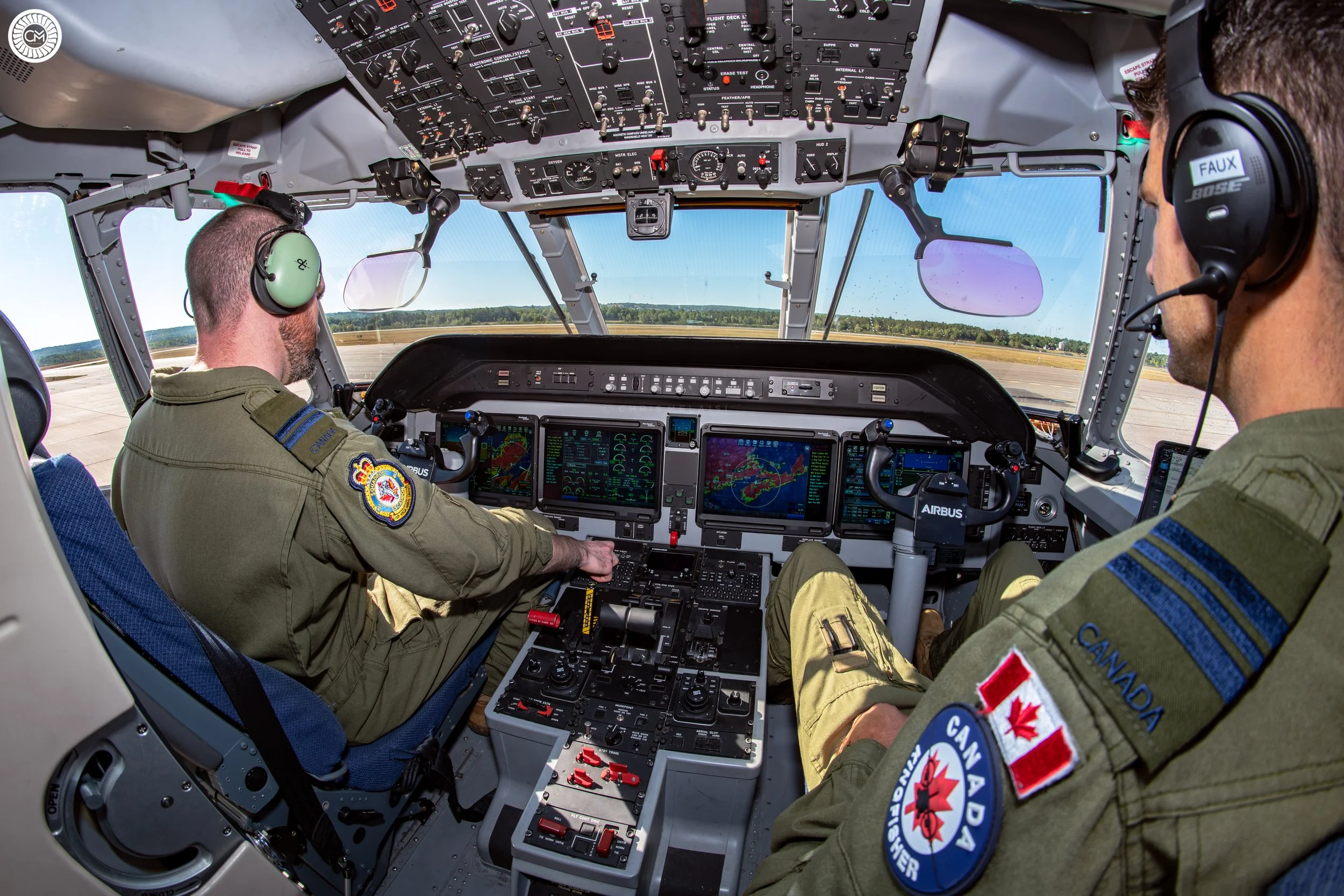
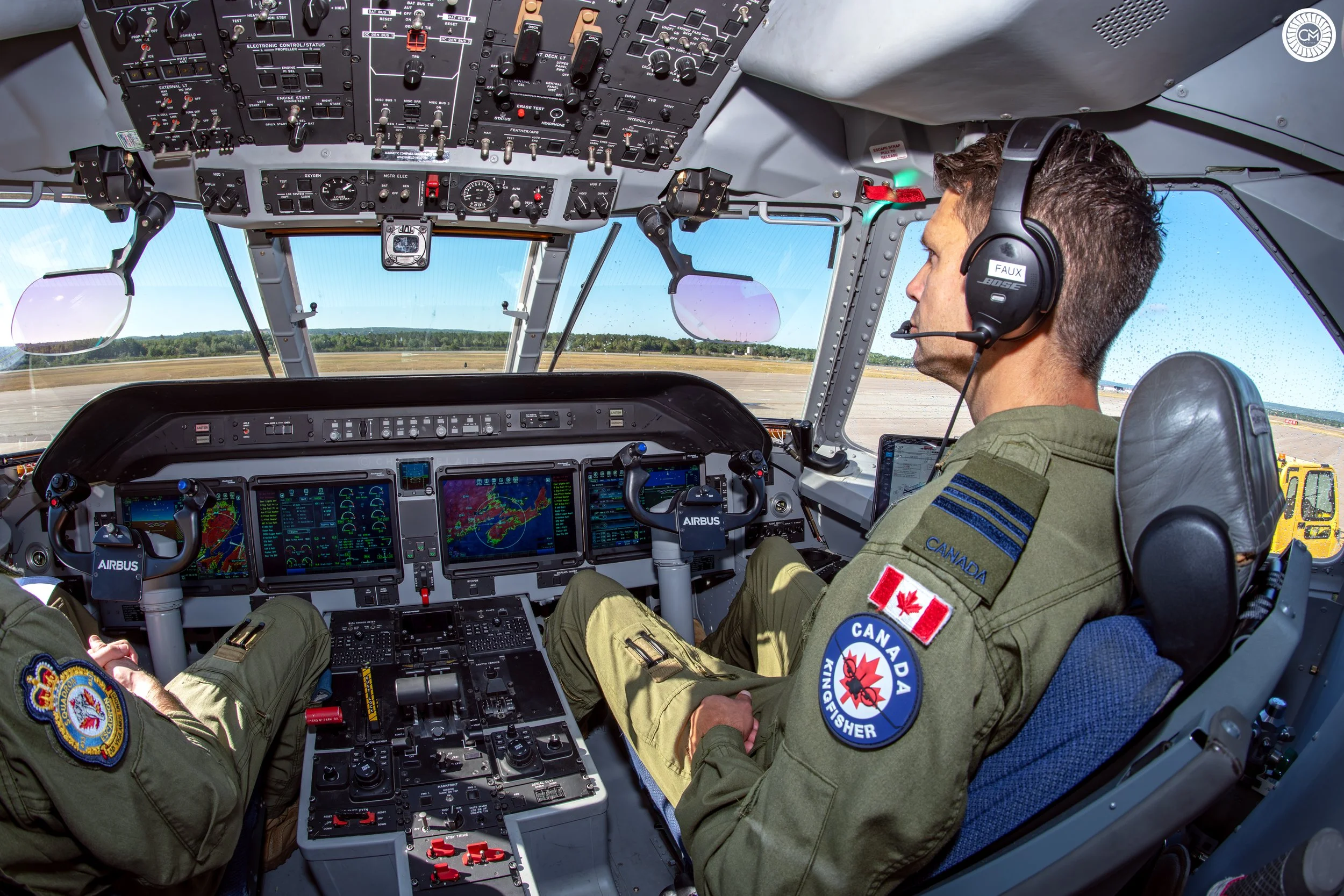
CC-295 pilots prepping the aircraft at CFB Greenwood for a short sortie along the coast. The Airbus CC-295 provides huge advances in cockpit technology, including a Head Up Display (HUD)
Harding describes the new capabilities and their advantages: “With full fuel and kit, the Kingfisher can fly for roughly ten hours, dependent on weather conditions. Fixed wing SAR on legacy platforms rely on SAR Techs to perform visual searches through windows in the back of the aircraft to locate the target. This is still the case on the Kingfisher but it has been massively enhanced with the use of the EO/IR camera. The new capability has unlocked many issues facing the SAR crews in Canada, it acts as a third pair of eyes and can perform up to 25 miles (40km) away from a target, with both colour day and low light modes in addition to infrared imaging mode. The camera also possesses a fused display mode. This allows an infra-red image to be laid over the top of a colour image showing colour and heat signatures from the camera at the same time. It is a very handy tool in locating a person in the water vastly reducing search time. “Further to this, using the MX-15 camera to search, reduces our need to leave the search pattern, we can effectively use the radar and camera to identify the subject and confirm it’s what we’re looking for. From here, we can aid our rotary platform (CH-149 Cormorant helicopter) to the exact location of the subject. “In low light or darkness, we can point a laser beam from the camera onto the subject to show the precise location to other assisting crews. Previously, on the C-130, there was a requirement to leave an established search pattern and fly over the subject to show its exact location. Searching is now more efficient and less time is wasted outside of the pattern. “Being an ex-C-130 Navigator, I love both platforms. Both are very capable at what they do. The Kingfisher has already proven itself as a very capable asset and as we expand that capability, I think we will unlock even more from it, things we can’t get from the Hercules. I would personally hope a Kingfisher was operating if myself or any family member was in destress and requiring SAR. it’s already proven itself on exercise and is standing up to be a very reliable, if not better replacement for the CC-130H.”
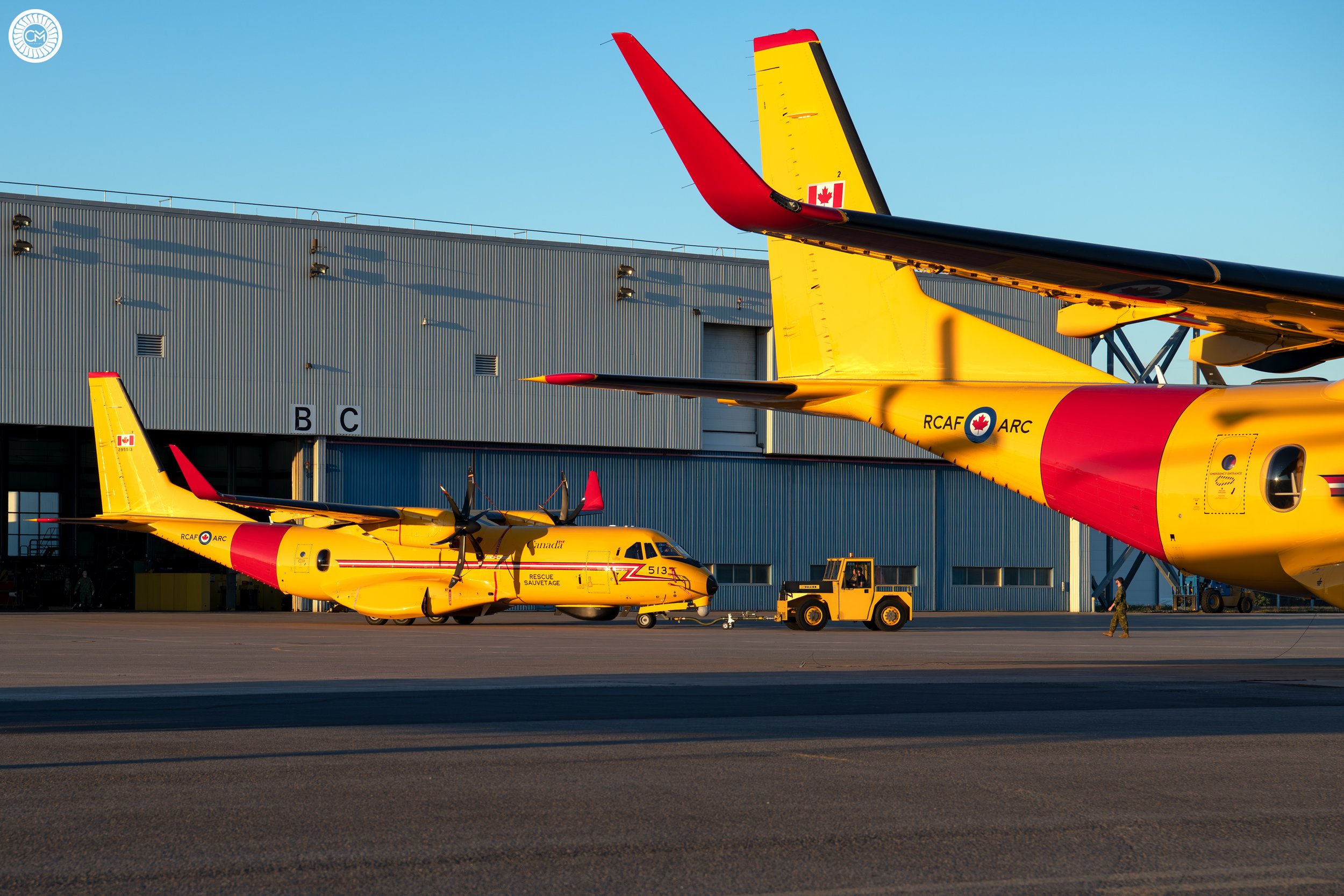
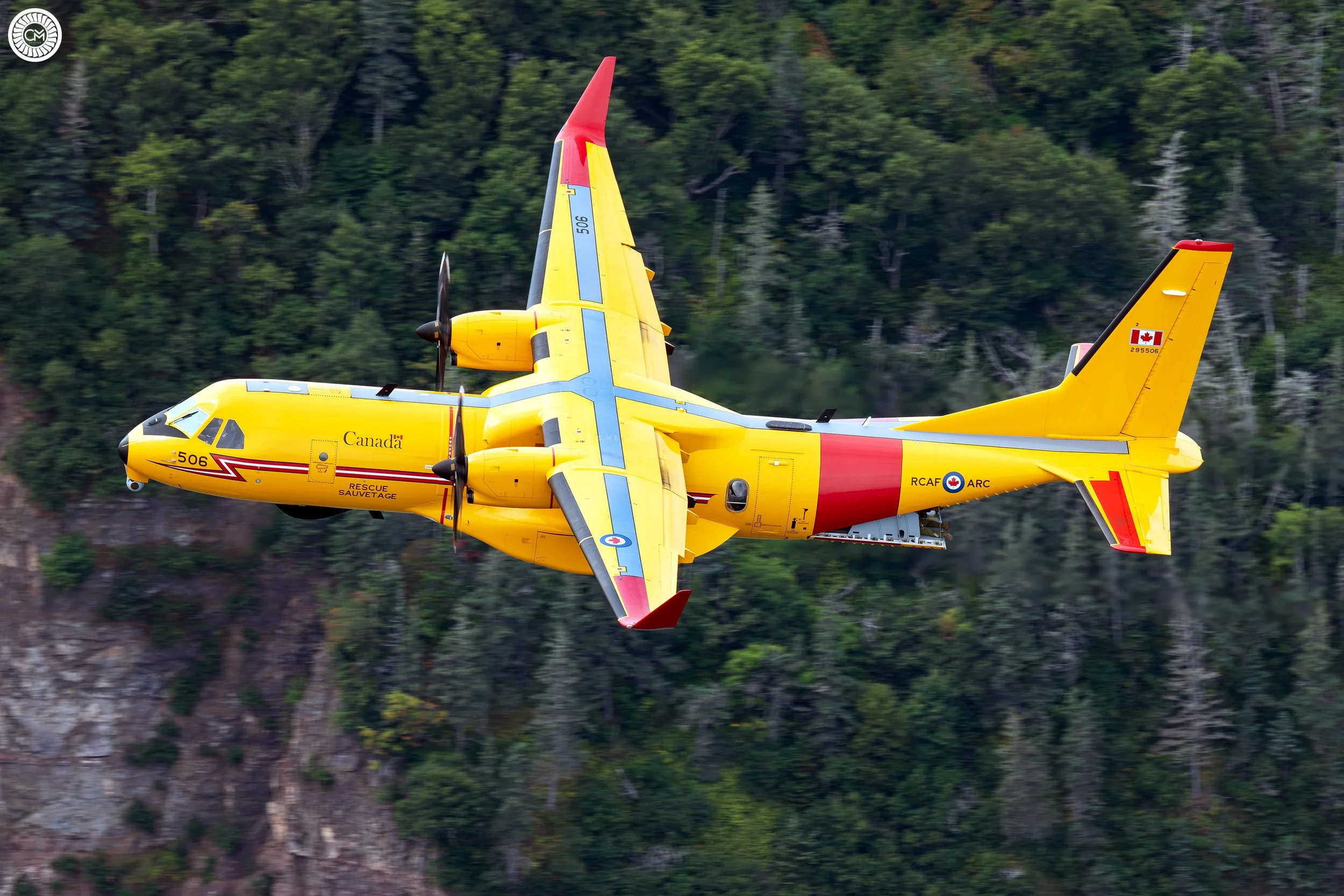
The first flight of the CC-295 Kingfisher with a 413 Squadron crew from 14 Wing, CFB Greenwood took place on August 27, 2025, and the squadron will continue to prepare for the operational handover in January 2026, when the Kingfisher will become the official fixed wing SAR platform in Atlantic Canada.