
TLP FC 25-04 Tactical Leadership Programme
The Tactical Leadership Programme (TLP) is a multinational headquarters based at Los Llanos Air Base, Albacete, Spain which is composed of military and civilian personnel from 11 NATO nations, who come together to work on leadership and allied air combat skills on both the ground and in the air. Chris Melaisi visited during the 25-04 flying course which saw 6 different nations flying various assets between the 6th and 28th November 2025.
Throughout its 46 year history, TLP has become the focal point for NATO’s allied air force’s tactical training and development, with the main objective being to increase the effectiveness of participating air forces in the field of tactical leadership during a sortie. The TLP Composite Air Operations (COMAO) Flying Course aims to improve the tactical leadership skills and flying capabilities of front line fighter Mission Commanders (MCs). The course also enables the exchange of information on weapons, tactics and capabilities between the participating nations. The discussion and development of multi-national tactics plays a vital role during a flying course and participants find the best ways to employ the differing aircraft capabilities of different nations in Composite Air Operations (COMAO).

A Spanish Air Force EF-18M Hornet of Ala 12 lifts from Los Llanos as part of the ‘Red Air’ formation.

A rarer participant to the 25-04 flying course was this 9th Squadron AV-8B+ of the Spanish Armada. The squadron brought 3 aircraft from their Rota base in the South of Spain
During each course, participating crews will perform a total of 12 missions which include 3 ‘synthetic’ missions to prepare for the COMAO flying course and 9 live flying missions. Each mission is made up of a number of flying assets from various countries which are split into ‘Blue’ and ‘Red Air’ sides. These include fast jets, command and control aircraft, transport aircraft and helicopters. The 25-04 and final flying course of 2025 saw a number of participants. The nations participating in the ‘Blue’ side of the flying course contributed 20 aircraft, including; EF-2000 from Italy, Eurofighter and AV-8B+ from Spain, F-16’s from Turkey and Romania, German Tornado IDS, and French Mirage 2000D and 2000-5’s. As for the opposing side (Red Air), there was a total of nine aircraft, with the participating nations being France with Mirage 2000D and 2000-5, Spain with Eurofighter and EF-18M, and Turkey with F-16C/D. Other participants included a Civilian Learjet 36A and a NATO E-3A, an Italian C-27J and Spanish C-295 and a NH-90TTH which formed the rotary aspect of the course. In 2026, the programme will welcome its 12th member; Sweden, who will begin their participation in the flying course later next year.
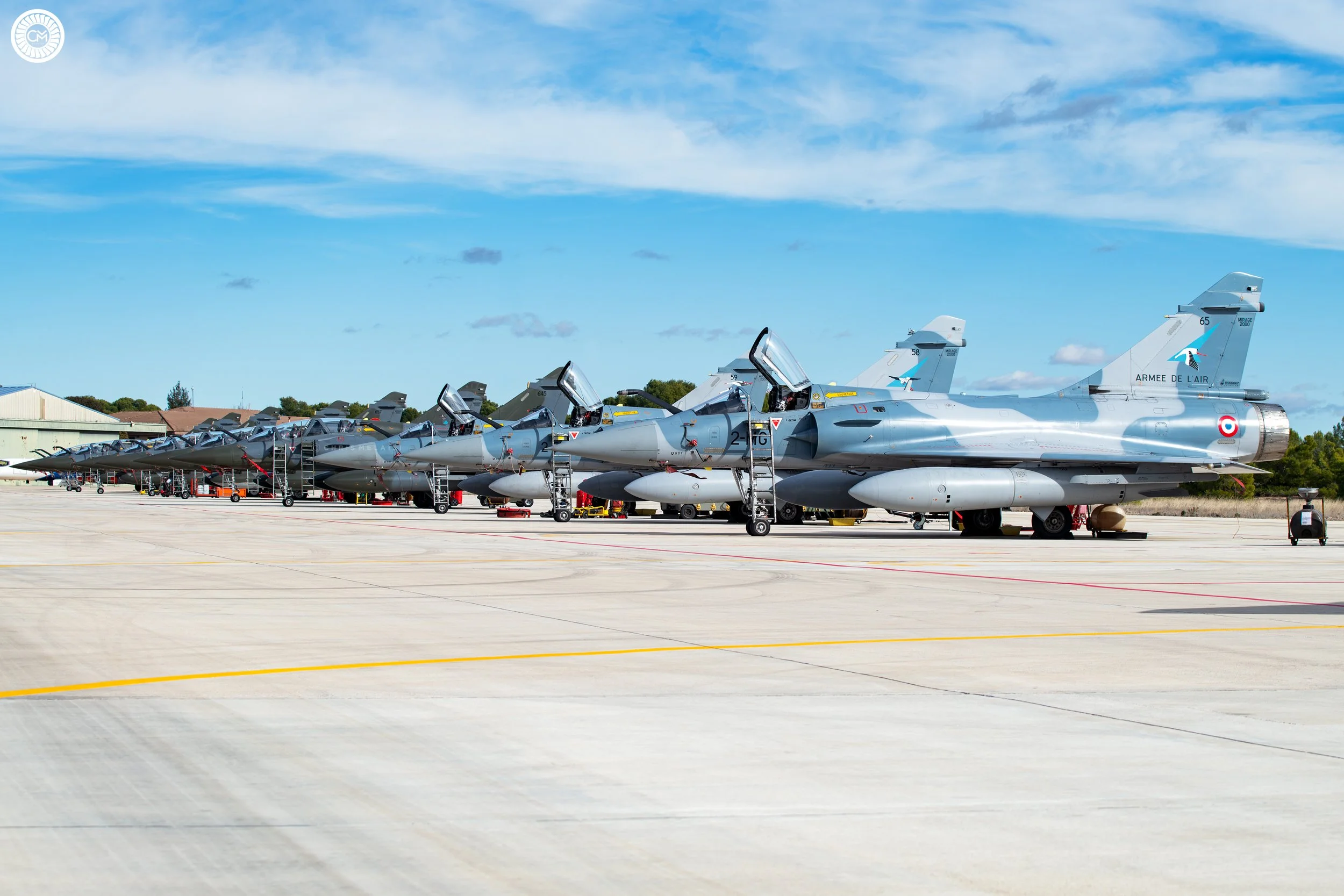
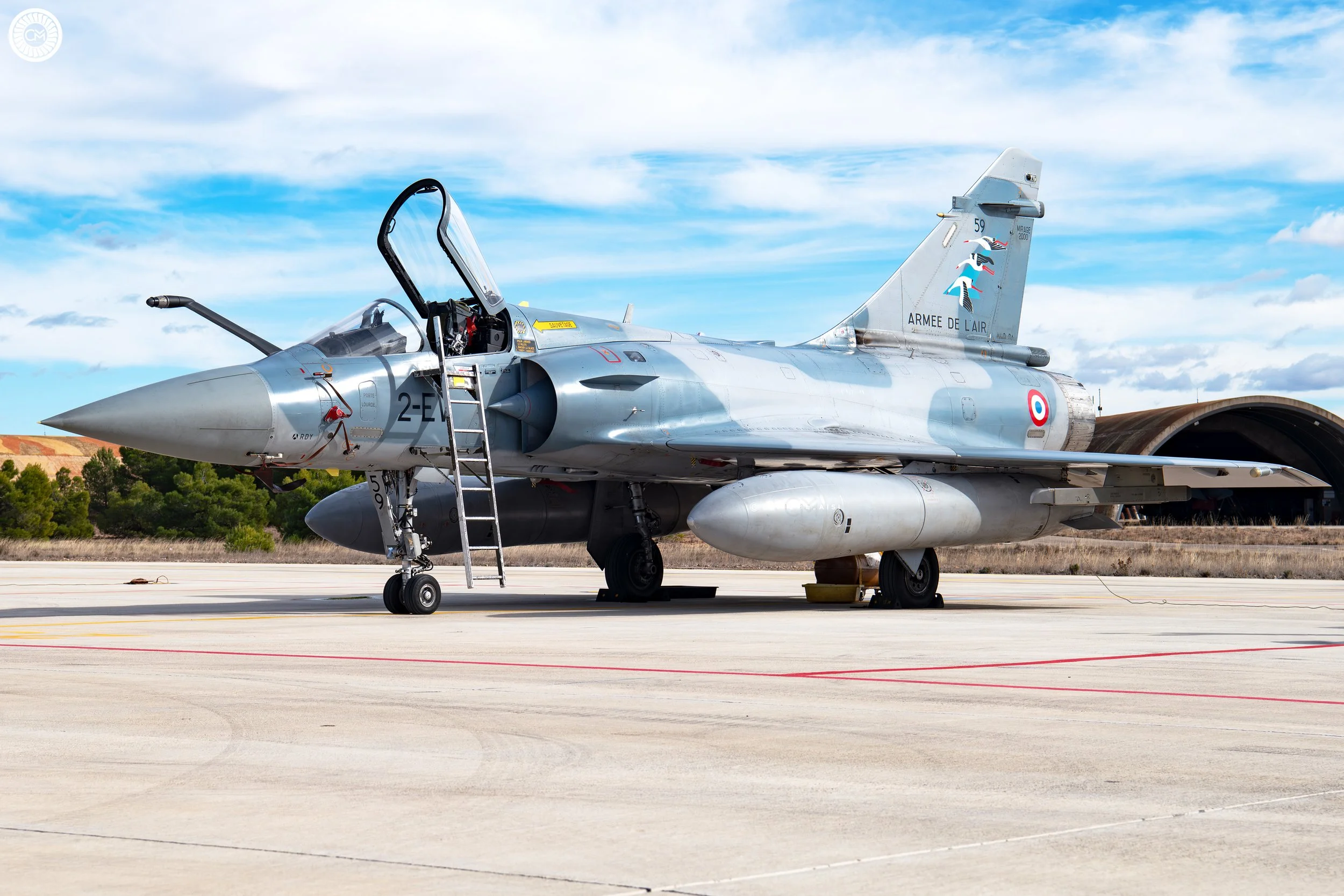
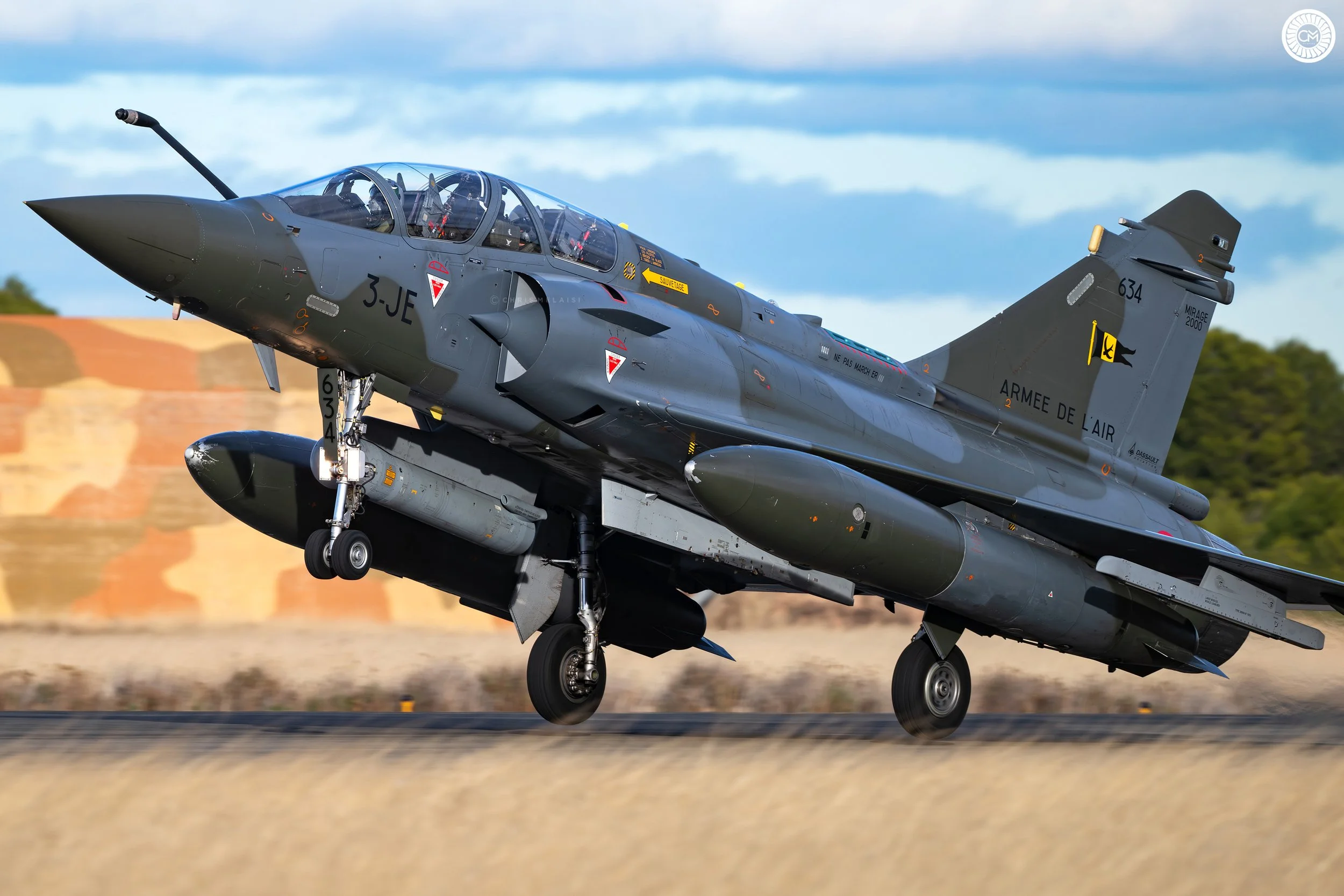
There aren’t many opportunities to see 10 mirage 2000 lined up together outside of France. The Armée D’Lair deployed a total of 11 Mirage to this edition of the TLP, 7x Mirage 2000D and 4 Mirage 2000-5F.
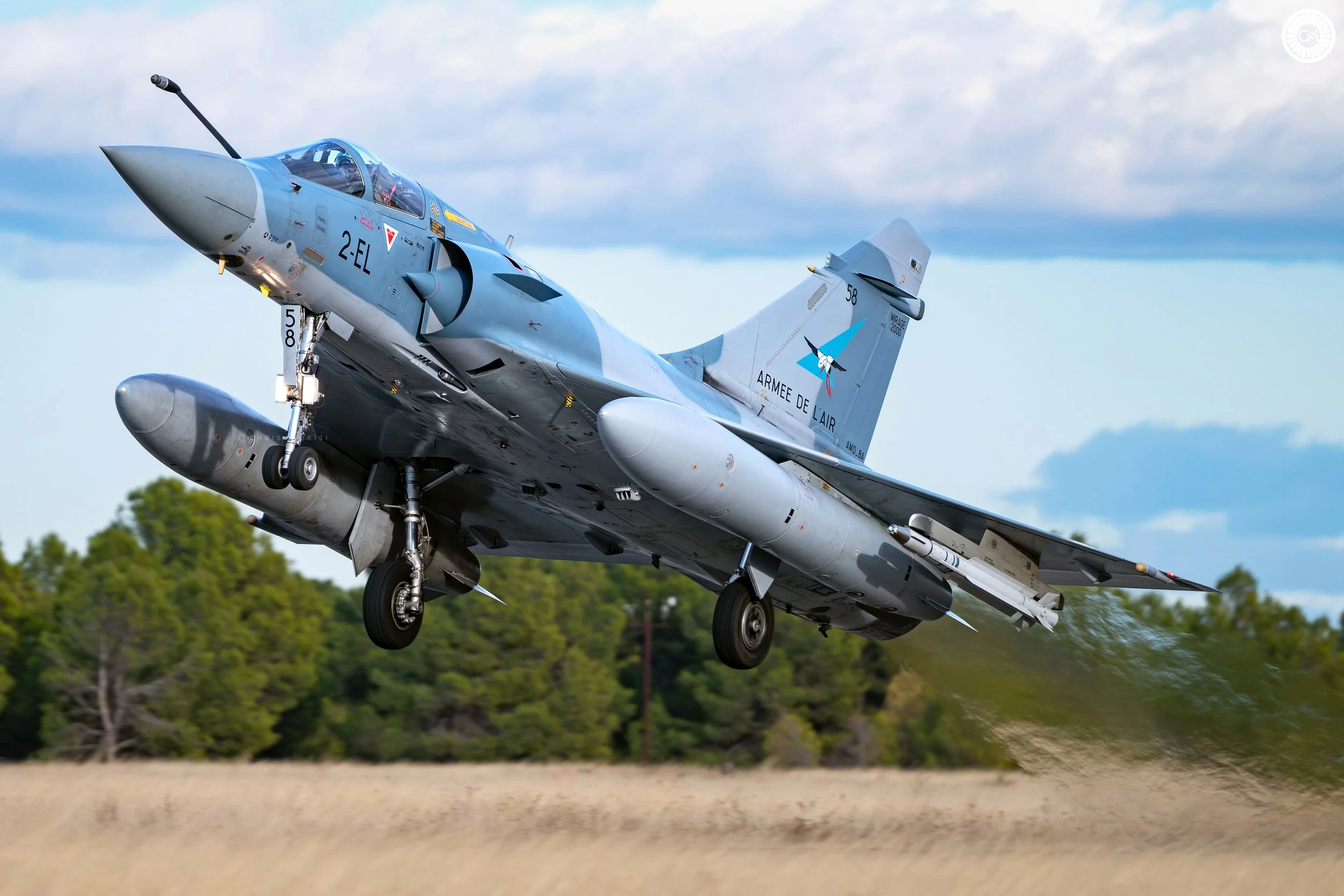
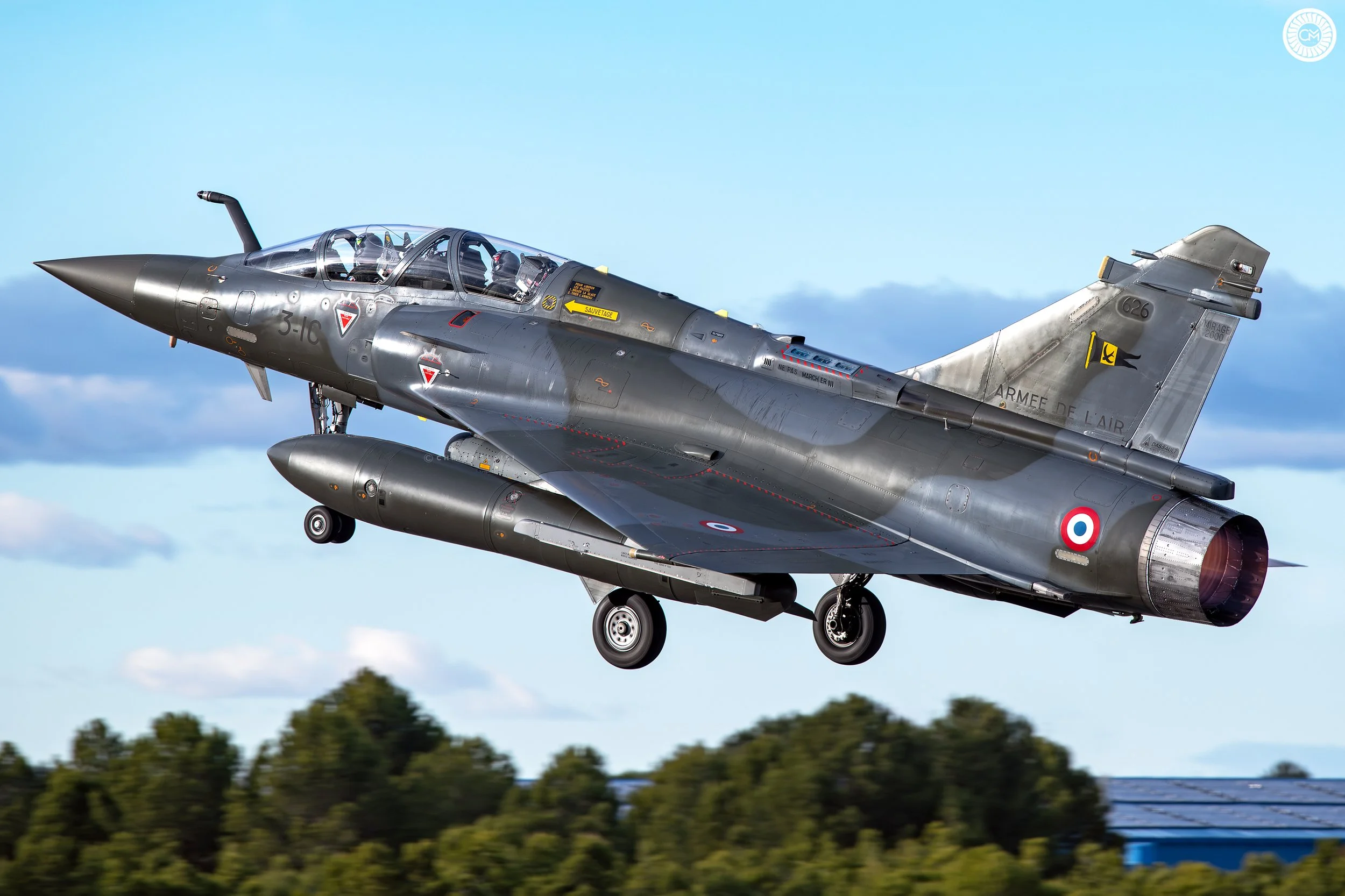
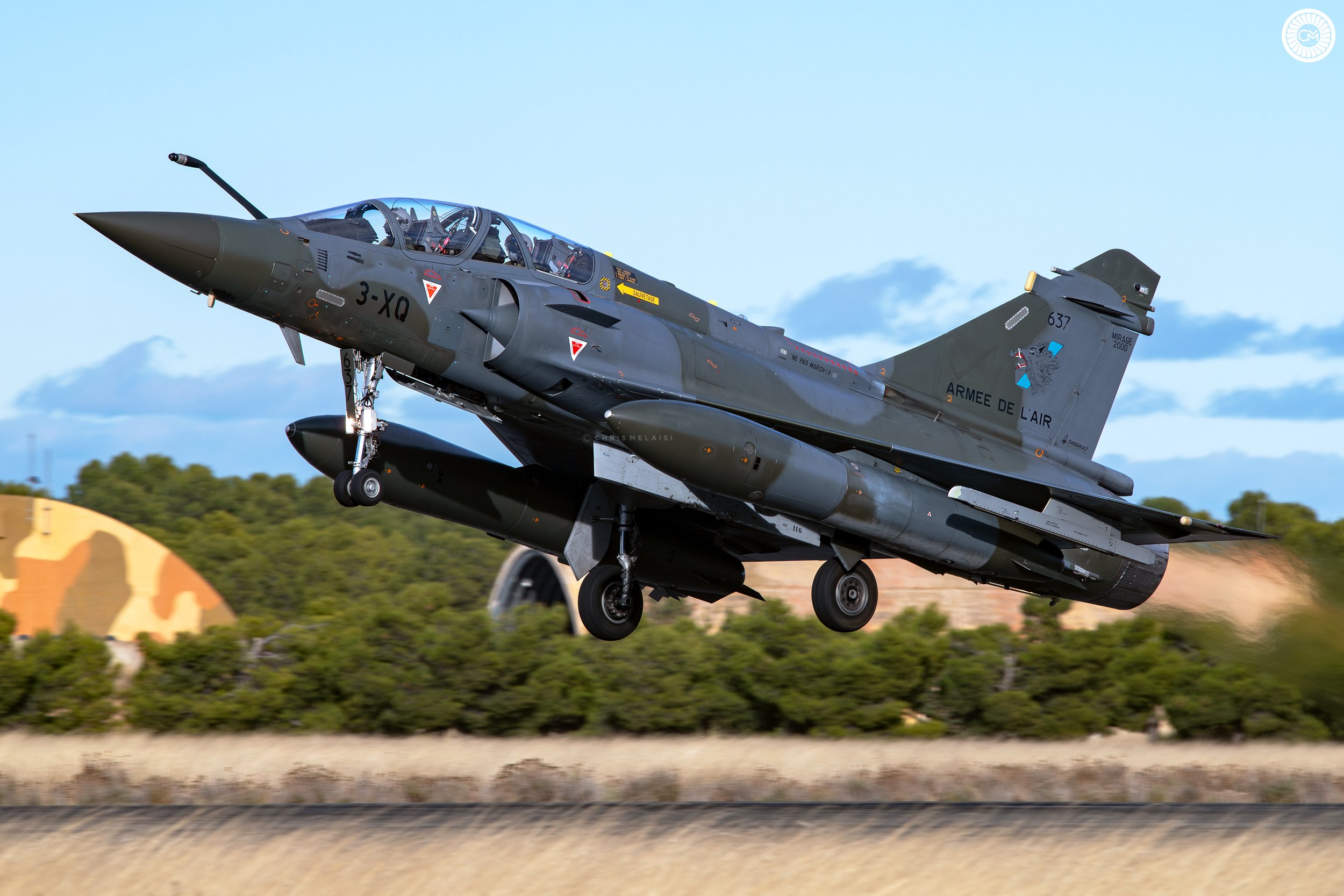
A French Air Force Mirage 2000D (637 / 3-XQ) of EC 3/3 Ardennes departs in afternoon light as part of the ‘Red Air’ fighter launch.

A new element of the TLP flying course is the introduction of rotary helicopters in the Combat Search and Rescue (CSAR) role. Here, a Spanish Air Force SAR NH-90TTH (HD.29-17/803-17) lifts ahead of the fighter launch.
During the final TLP this year, Sweden became the 12th nation to join the NATO-led programme. During the Distinguished Visitors (DV) day, which was held on November 20, the base hosted a number of dignitaries from its member nations, including Sweden. Among those in attendance were Lt Gen Nieto Sampayo, chief of the Spanish Air and Space Force Combat Command, General Tardiff, deputy chief of the French Air and Space Force, Lt Gen Pereira, head of the Portuguese Air Combat Command and MG Campo, the director of operations and strategic deterrence and nuclear integration at the USAF Headquarters in Europe. There was also a large presence of other generals and officers from the different TLP member nations, together with representatives of the Swedish Air Force. Later, the ceremony for Sweden’s accession to the TLP took place, where representatives of the member nations ratified approval for the country to officially join the programme as of January 1, 2026. Sweden’s accession to the TLP follows Portugal’s entry in 2025, which represents a historic milestone, as there had been no new additions since the TLP arrived in Albacete in 2009. It is rumoured that Sweden’s first appearance at a TLP will come during Flying Course 26-4, which will take place between November 12 and December 4, 2026.

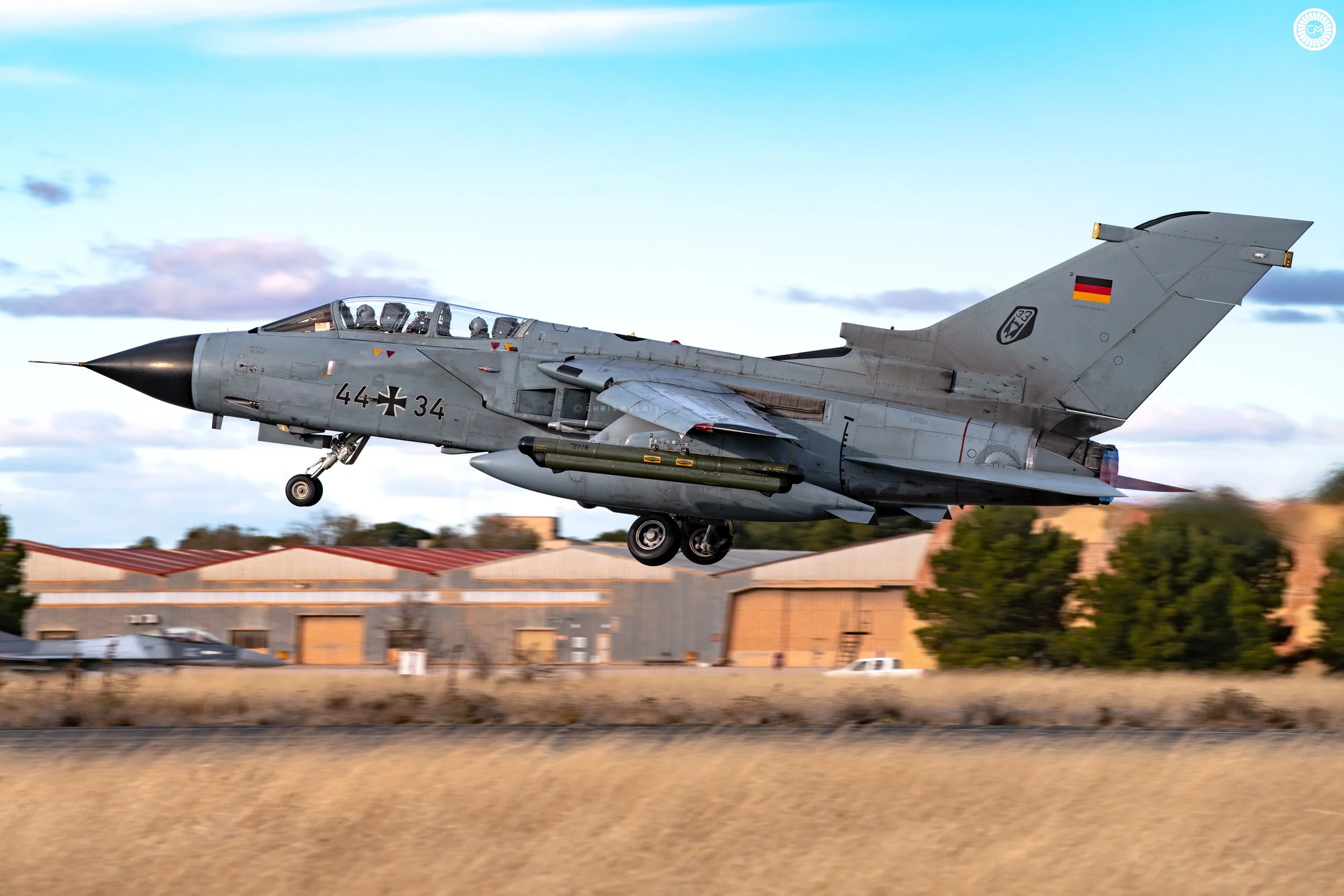
German Tornado’s have been regular participants at TLP flying courses over the years. Here, a TLG-33 Panavia Tornado IDS 44+58 sits on the ramp ahead of some afternoon flying whilst 44+34 gets airborne as part of the ‘Blue’ air package.
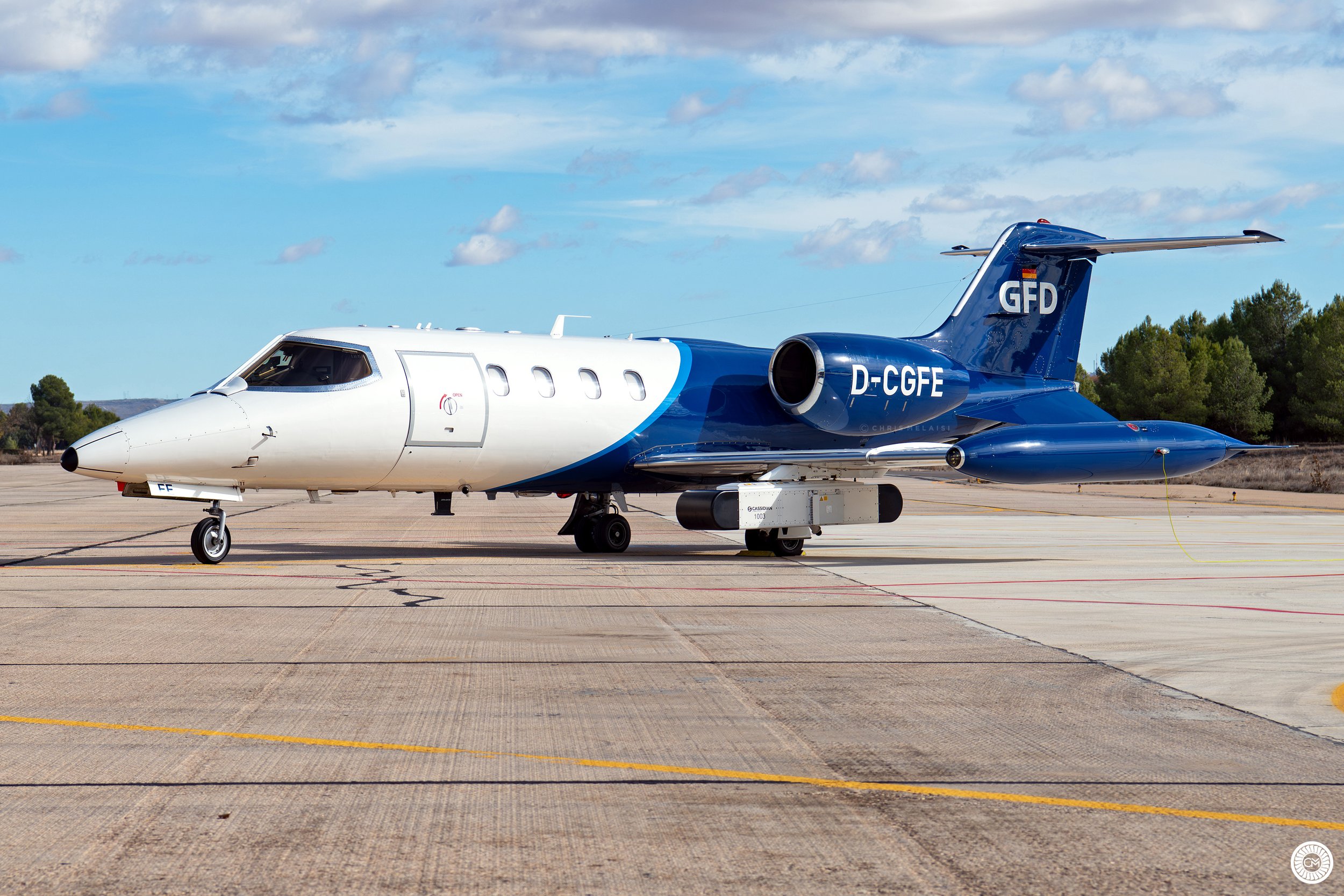
A civilian participant which took part in sorties was this Gesellschaft für Flugzieldarstellung (GFD) Bombardier Learjet 36A, which is seen on the ramp carrying a Cassidian SmartRadar pod.

Italy participated in the 25-04 FC with EF-2000 and C-27J in the Transport role.
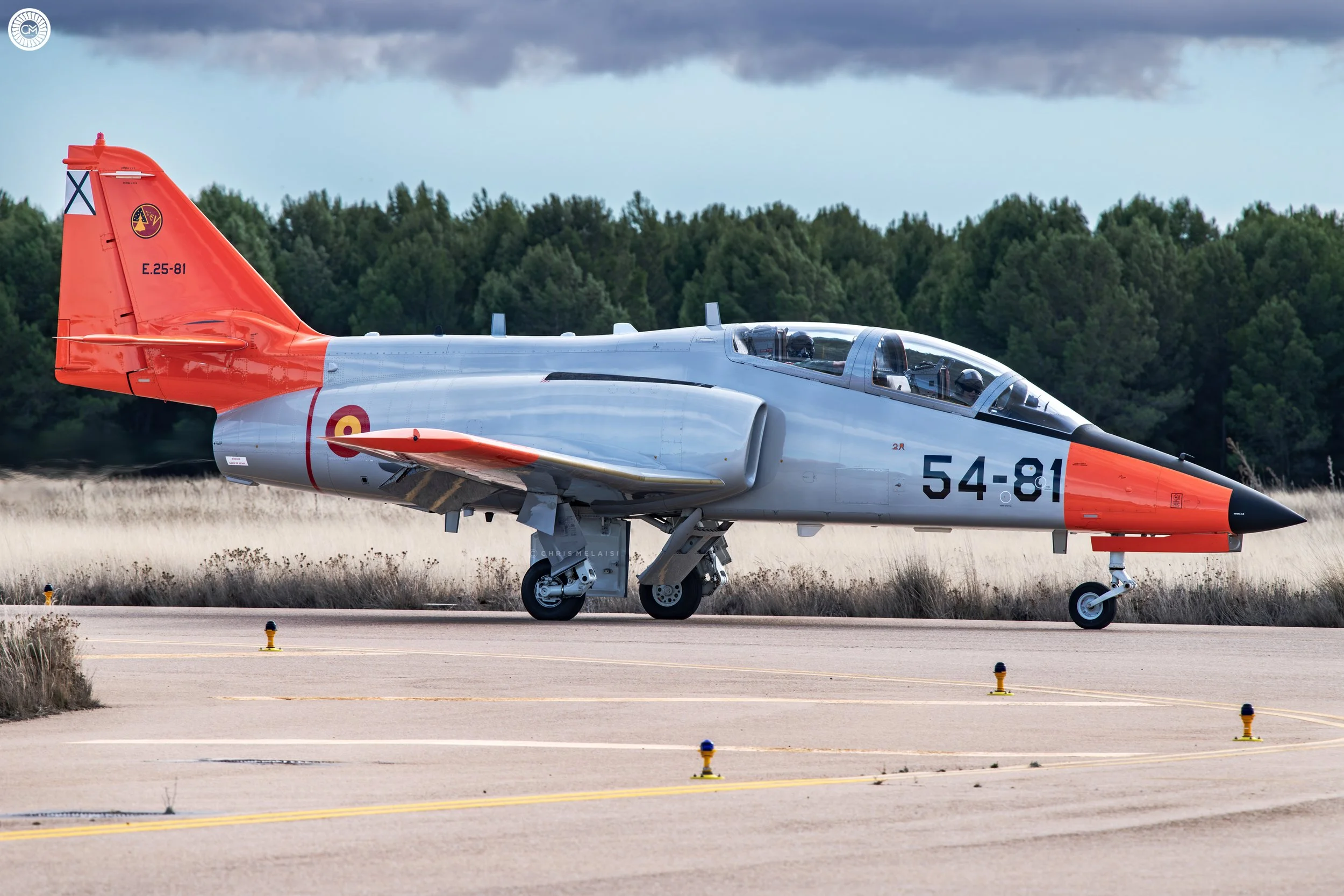
An unexpected but pleasant sight was this CASA C101 ‘Aviojet’ from the Ejercite del Aire (EdA, Spanish Air Force). The type was officially withdrawn from use on 14th June 2025 in Spain. The Centro Logístico de Armamento y Experimentación (CLAEX) is the EdA's armament and experimental logistics centre, responsible for flight testing, system integration, and upgrading aircraft. It is based at Torrjeon and continues as the sole EdA unit with six C101s . Here, the aircraft (E.25-81 / 54-81) is seen returning from a test flight at Albacete after storage and maintenance after withdrawal in the 2010’s.